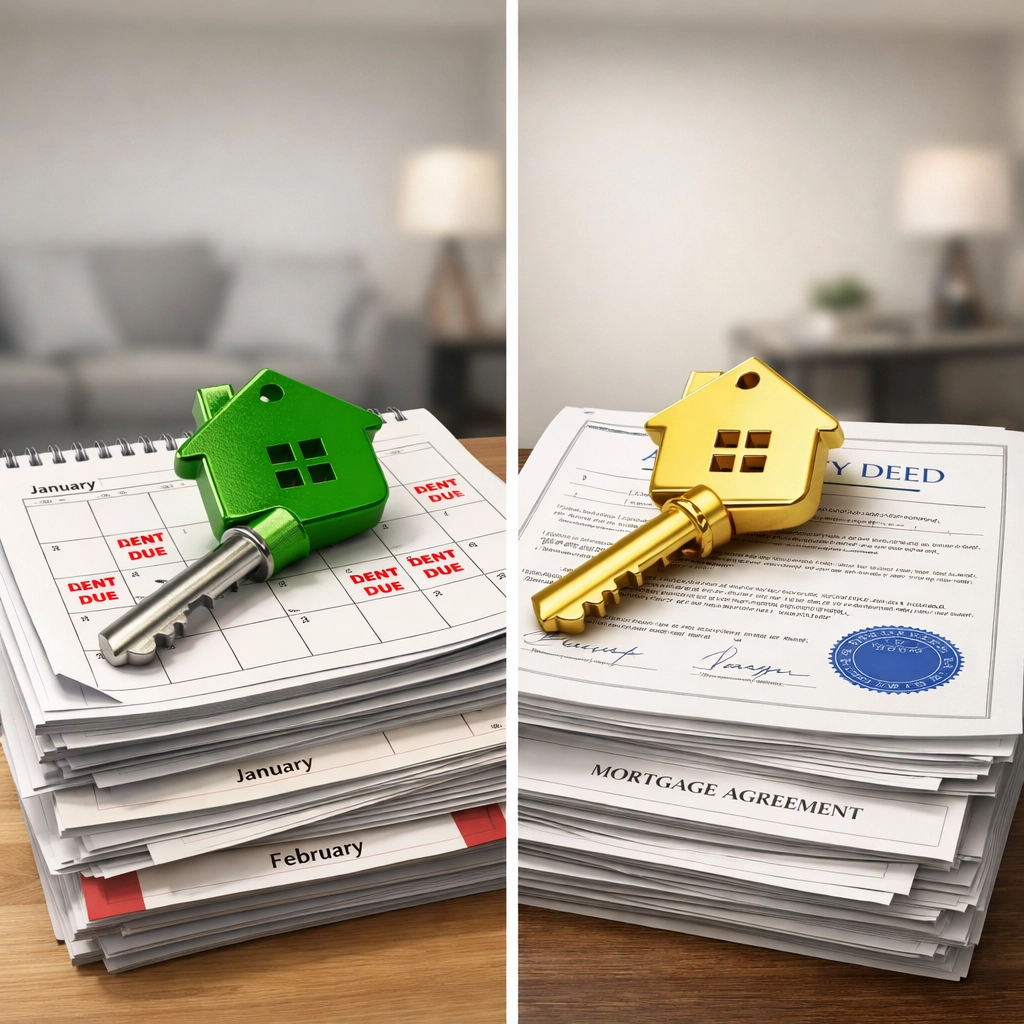
Rent-to-Own vs. Traditional Mortgage in Houston: Your Path to Homeownership
Navigating the Houston housing market in 2026 presents a unique set of challenges and opportunities for aspiring homeowners. While the traditional mortgage has long been the established route to buying a home, rent-to-own agreements are gaining traction as a viable and flexible alternative. This comprehensive comparison delves into both pathways, offering clarity on their mechanics, financial implications, and suitability for different buyer profiles within the dynamic Houston landscape. Understanding these distinctions is crucial for making an informed decision that aligns with your financial readiness and long-term homeownership aspirations.
Whether you're drawn to the sprawling suburbs of Katy or the vibrant urban core near Buffalo Bayou, the choice between a rent-to-own contract and a traditional mortgage is a pivotal one. This guide aims to demystify the complexities of each, from the upfront costs and credit requirements to the potential benefits and drawbacks. By examining the nuances of each option, and considering the current real estate trends in Houston, we empower you to select the strategy that best paves the way to your dream home.
Rent-to-Own Agreement Mechanics in Houston
A rent-to-own agreement in Houston offers a structured approach to homeownership for individuals not yet ready for a traditional mortgage. This arrangement allows you to lease a property for a predetermined period, typically one to three years, with the added right, and sometimes the obligation, to purchase the home at a specified price by the end of the lease term. It's a way to secure a property while you improve your creditworthiness or save for a larger down payment, effectively "test-driving" your potential future home.
Key components of a rent-to-own contract include an upfront option fee, which is a non-refundable payment granting you the right to buy, and a portion of your monthly rent that is credited towards the purchase price. This "rent credit" acts as a savings mechanism, accumulating over the lease term to offset the future down payment or closing costs. The agreed-upon purchase price is also locked in at the outset, protecting you from potential market appreciation during your lease period.
Traditional Mortgage Process: Requirements and Benefits
The traditional mortgage remains the cornerstone of homeownership for many in Houston, offering a direct path to equity and long-term asset building. This process involves securing financing from a lender, which typically requires a thorough assessment of your credit history, income, and assets. While the "20% down" myth persists, most conventional loans require a down payment, though it can range significantly depending on the loan type and lender. Pre-approval is a critical first step, allowing you to understand your borrowing capacity and making your offer more competitive in the market.
To qualify for favorable interest rates on a traditional mortgage, a strong credit score, generally 720 or higher, is often necessary, especially in the current lending environment. Lenders will meticulously review your financial documentation, including tax returns, pay stubs, and bank statements, to verify your ability to repay the loan. The benefits of a traditional mortgage include building equity from day one, potential tax deductions on mortgage interest, and the freedom to renovate or customize your home without landlord restrictions.
Comparing the Financial Implications: Rent-to-Own vs. Mortgage
When weighing rent-to-own against a traditional mortgage in Houston, the financial considerations are paramount. Rent-to-own agreements often involve an initial option fee, typically 1-5% of the home's purchase price, which is non-refundable if you decide not to buy. Additionally, a portion of your monthly rent is often applied as a rent credit towards the purchase price, effectively acting as a forced savings plan. While this can seem appealing, the overall cost, including rent and option fees, may be higher than a traditional mortgage if you don't ultimately purchase the home.
A traditional mortgage, on the other hand, requires a down payment and closing costs upfront, but the monthly payments are primarily principal and interest, building equity over time. While interest paid on a mortgage can be tax-deductible, the upfront costs and the need for a solid credit score can be significant barriers for some buyers. However, for those who qualify, a traditional mortgage often leads to lower overall housing costs and greater financial freedom in the long run compared to the potentially higher expenses associated with rent-to-own arrangements.
Navigating Houston Neighborhood Trends for Homebuyers
Understanding the current neighborhood trends in Houston is crucial for both rent-to-own and traditional mortgage seekers. Areas experiencing rapid new construction, such as Cypress, often present more opportunities for rent-to-own programs, as builders and investors may offer these flexible terms to attract buyers. These communities are frequently designed with families in mind, offering access to well-regarded school districts like Katy ISD and a suburban lifestyle.
Conversely, in highly sought-after urban areas like Downtown Houston or the Heights, properties tend to move very quickly. In such fast-paced markets, sellers are less likely to entertain rent-to-own offers, making traditional mortgages the predominant financing method. Buyers looking in these dynamic locales need to be well-prepared with financing in place to act decisively. Bexley Realty Group can provide insights into specific neighborhood dynamics and help you identify areas that align with your preferred homeownership path.