
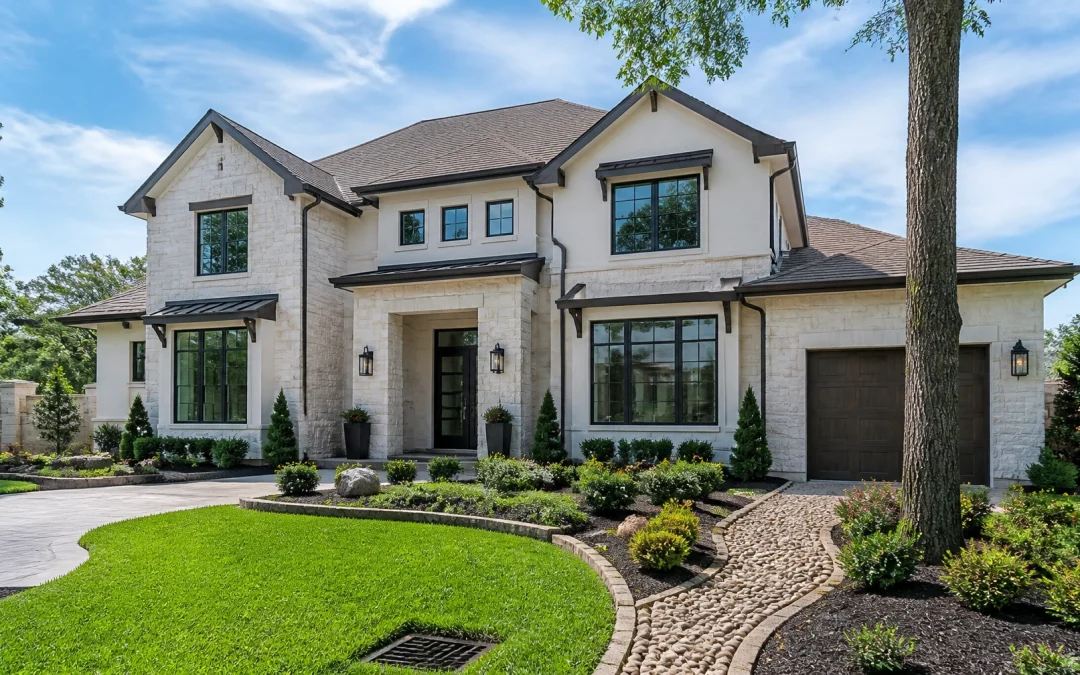
5 Essential Hurricane Prep Questions for Houston Homebuyers
Welcome to June in Houston! While we’re all looking forward to summer pool parties and backyard BBQs, June 1st marks the official start of the 2026 Atlantic hurricane season. If you are currently under contract or touring homes, your “due diligence” list needs to include more than just checking the HVAC and water heater.
In Houston, the “perfect home” isn’t just about the open-concept kitchen or the master suite; it’s about how that home handles a heavy Gulf Coast downpour. Whether you are looking at a luxury estate in The Woodlands or a modern build in Katy, asking the right questions now can save you thousands: and a lot of stress: down the road.
Here is your essential hurricane season checklist for 2026.
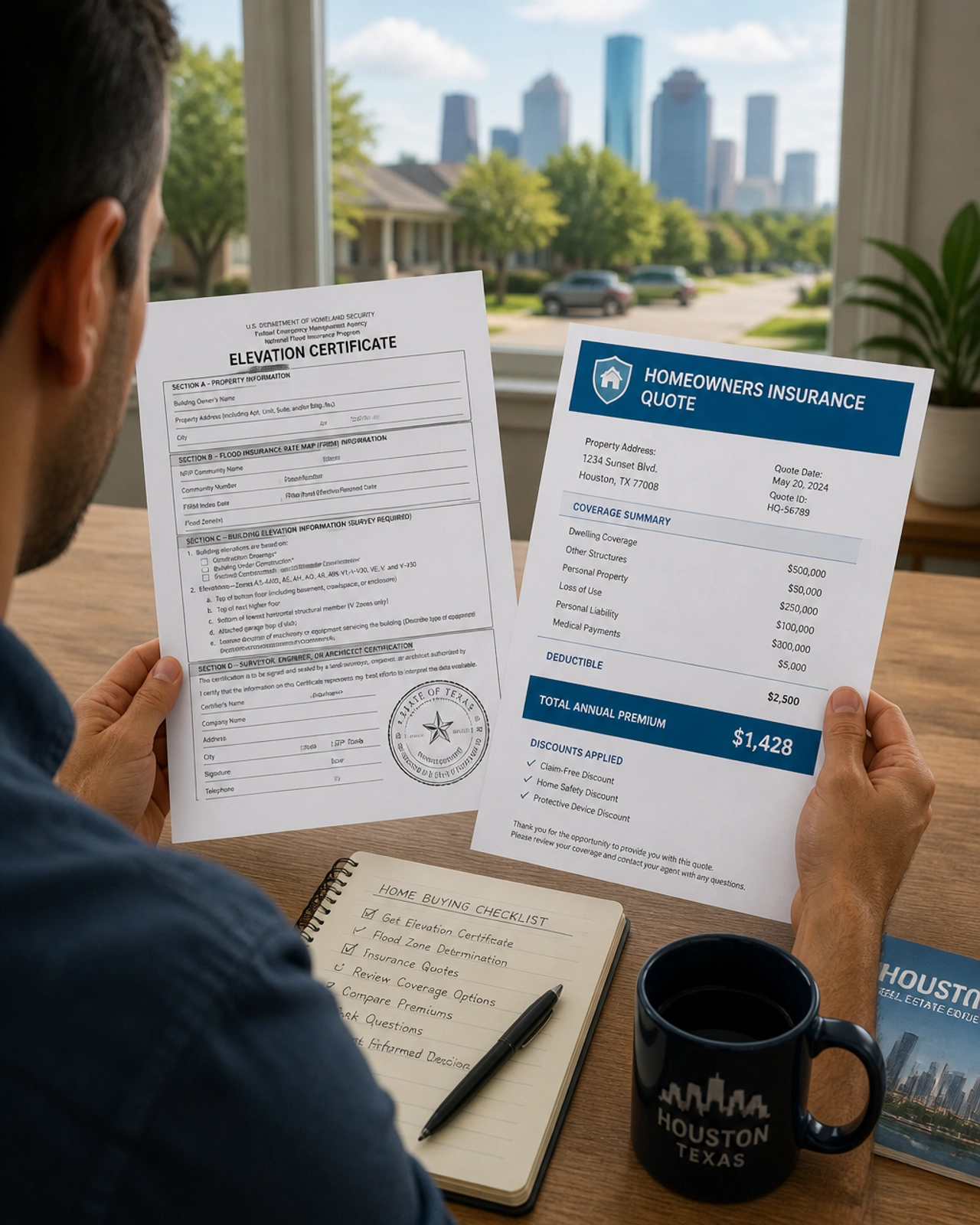
1. Where Is the Elevation Certificate?
Before you fall in love with a property, you need to know exactly where it sits in relation to the water. In the Houston area, “flood zone” isn’t a binary yes/no answer.
Ask the seller for an Elevation Certificate (EC). This document tells you the elevation of the lowest floor of the home relative to the Base Flood Elevation (BFE). Even if a home is not in a mandatory flood zone, having an EC can significantly lower your insurance premiums by proving the home is built well above the risk line. If the seller doesn’t have one, consider making it a part of your negotiation or ordering one during your option period.
2. Can I Bind Insurance Today?
Timing is everything in June. Most insurance carriers will “stop binding” (meaning they won’t issue new policies) the moment a named storm enters the Gulf of Mexico. If you are closing in the next 30 days, you cannot wait until the last minute to secure your homeowners and flood insurance.
- The 30-Day Rule: Most National Flood Insurance Program (NFIP) policies have a 30-day waiting period before they become effective. However, if you’re buying a new home with a mortgage, this wait is often waived.
- Windstorm Coverage: Ensure your policy includes wind and hail coverage. Some areas closer to the coast require a separate windstorm policy through the Texas Windstorm Insurance Association (TWIA).
Get your quotes early and make sure your lender has the “Paid in Full” receipt well before a tropical depression starts brewing.
3. What Drainage Infrastructure Is in Place?
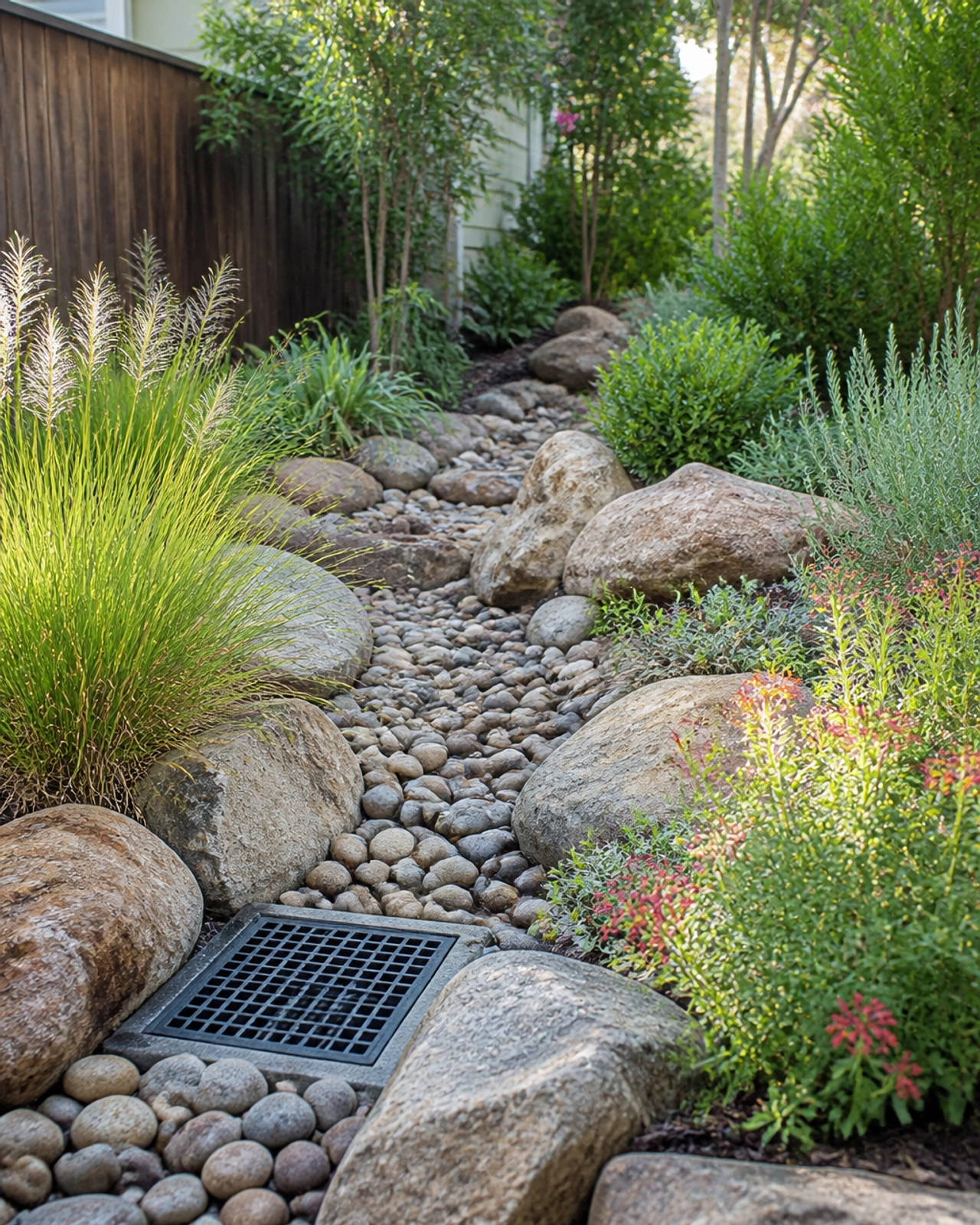
Houston soil (mostly clay) doesn’t absorb water quickly. Therefore, the water has to go somewhere. When you are walking the property, look for more than just green grass. Look for the infrastructure designed to move water away from the foundation.
Ask your inspector to specifically check:
- French Drains: Are they clear of debris and discharging at the curb?
- Catch Basins: Are the grates clean?
- Grading: Does the yard slope away from the slab? You want a positive grade so water doesn’t pool against your foundation.
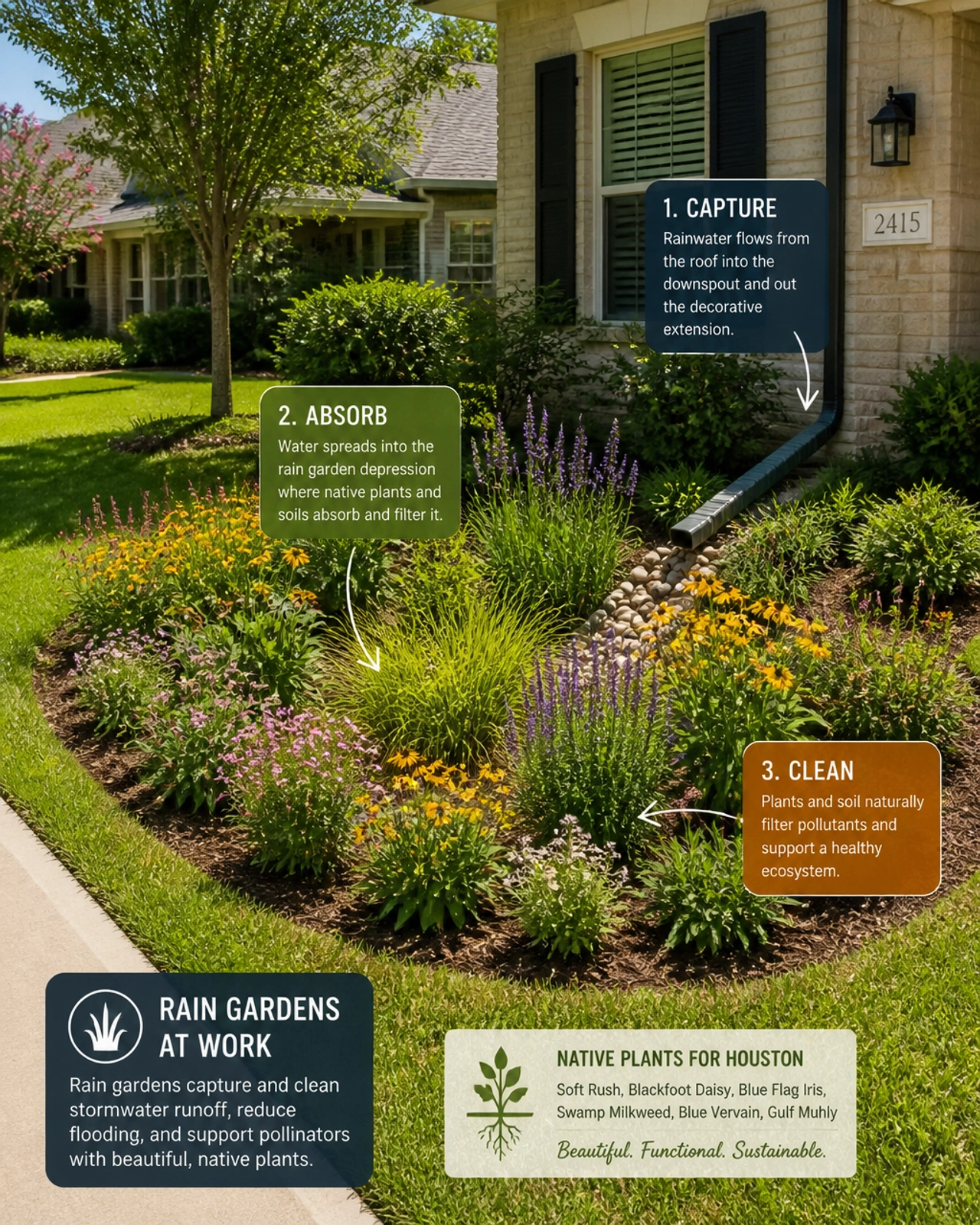
- Gutters: Do the downspouts have extensions that lead water at least 5-10 feet away from the house?
4. Is the Landscaping Flood-Resistant?
Modern Houston landscaping has evolved. We’re seeing more buyers look for “smart” yards that combine beauty with flood mitigation.
Ask if the property features Rain Gardens or Bioswales. These are specially designed depressions planted with native Texas vegetation: like Gulf Muhly or Little Bluestem: that naturally soak up excess water and filter it back into the ground. Not only do these features look great, but they also reduce the load on our city’s storm sewers. If the home you’re eyeing doesn’t have these, check out our Real Estate News for tips on how to add them after you move in.
5. What is the Windstorm Certification Status?
Finally, look up. In many parts of Harris and Montgomery counties, roof repairs and replacements must meet specific windstorm building codes to be insurable. Ask the seller for the WPI-8 (Certificate of Compliance) for the roof. If the roof was replaced recently but wasn’t inspected by a windstorm engineer, you might find it impossible to get a standard insurance policy.
Also, check the garage door. In high-wind events, the garage door is often the weakest point. Look for a wind-load rating on the inside of the door to ensure it can withstand the pressure of a major storm.
Summary & Takeaways
Buying a home during hurricane season doesn’t have to be scary: it just requires a sharper eye for detail. Remember these three main points:
- Verify the height: Get that Elevation Certificate.
- Secure the paper: Bind your insurance policies as early as possible.
- Check the flow: Ensure the yard is graded correctly and drainage features are functional.
At Bexley Realty Group, we live and work in these neighborhoods. We know which streets stayed dry during Harvey and which ones have had major drainage upgrades since. We are here to help you navigate these questions so you can close with total confidence.
Ready to find your storm-ready home in Houston? Visit BexleyRealtyGroup.comor call us today at 832-648-2492 to speak with one of our local experts.
#HoustonRealEstate #HurricanePrep #HomeBuyingTips #HoustonHomes #FloodSafety #RealEstateChecklist