

Hurricane Ready 2026: The Essential Houston Homeowner’s Prep Guide
It’s June in Houston. You know what that means: the humidity is climbing, the mosquitoes are out, and hurricane season is officially upon us.
Living in the Greater Houston area: whether you’re in Katy, Sugar Land, or The Woodlands: means we’ve learned a thing or two about resilience. But as we move into the 2026 season, the “old way” of prepping (buying a case of water and some duct tape at the last minute) just doesn’t cut it anymore. With changing weather patterns and a shifting real estate market, protecting your home is about more than just surviving the storm; it’s about protecting your biggest financial asset.
At Bexley Realty Group, we help our clients protect their equity every day. Part of that equity protection is making sure your home is fortified before the first tropical wave enters the Gulf.
In this guide, we’re breaking down the essential 2026 prep steps every Houston homeowner needs to take right now.
1. The First Line of Defense: Your Roof
Your roof is the most vulnerable part of your home during a hurricane. In 2026, we’ve seen more homeowners opting for high-impact shingles and advanced underlayment, but even the best materials won’t help if there are underlying issues.
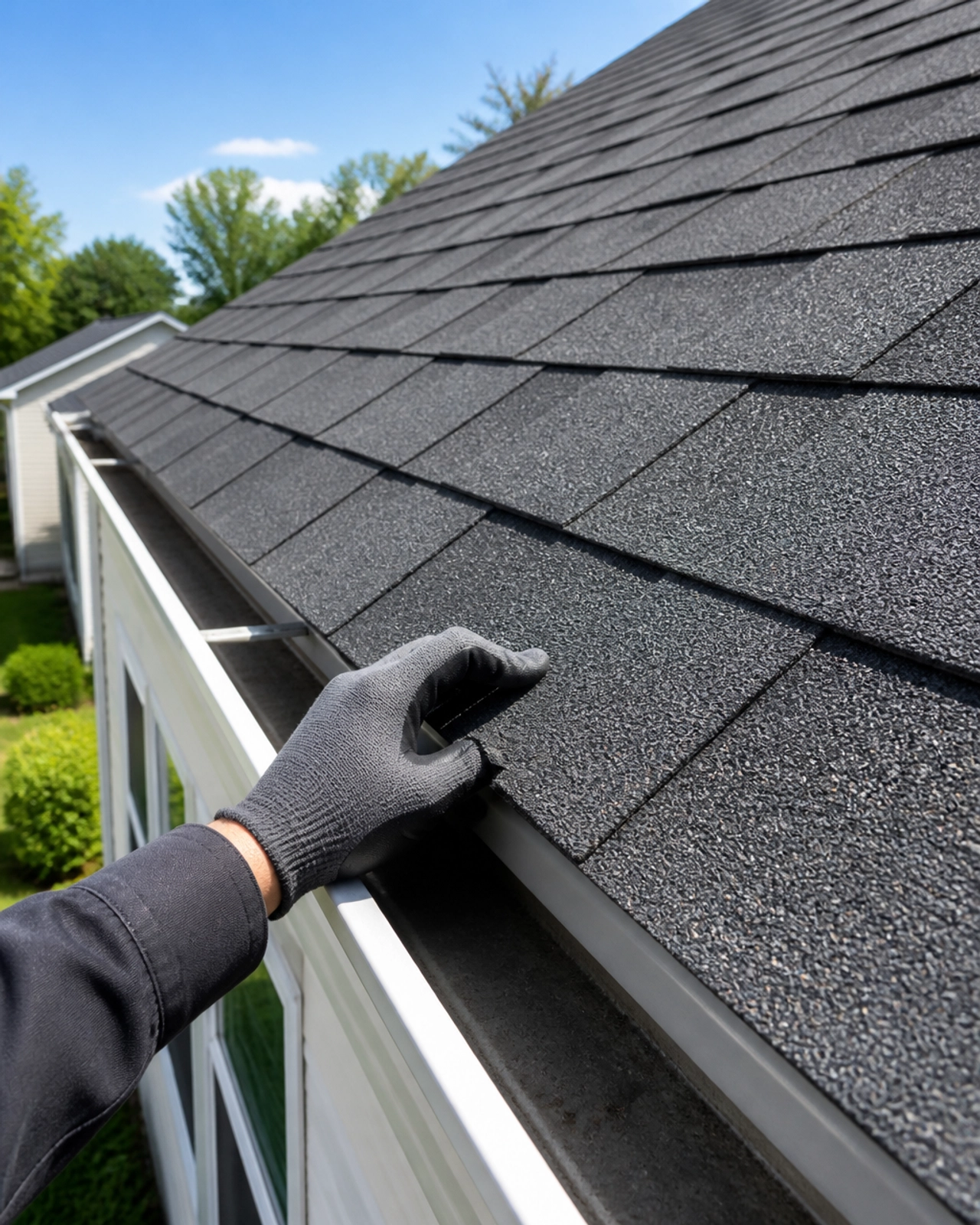
Get a Professional Inspection
Don’t wait for a leak to tell you your roof is failing. A professional inspection can identify:
- Loose or Missing Shingles: These become “uplift” points for high winds to peel back your roof like a sardine can.
- Worn Flashing: The metal around chimneys and vents often fails before the shingles do.
- Gutter Health: Clogged gutters lead to water backing up under your shingles, causing rot and interior leaks even if the wind doesn’t blow the roof off.
Consider Hurricane Straps
If your home was built before the mid-2000s, it may not have modern hurricane straps that tie the roof rafters to the wall studs. Retaining a contractor to install these can significantly reduce the risk of a total roof failure. It’s an investment that pays off in both peace of mind and potentially lower insurance premiums.
2. Powering Through the Dark: Backup Options
If there is one thing Houstonians fear more than the wind, it’s the heat after the power goes out. In 2026, the options for backup power have evolved far beyond the noisy, gas-guzzling portable units.
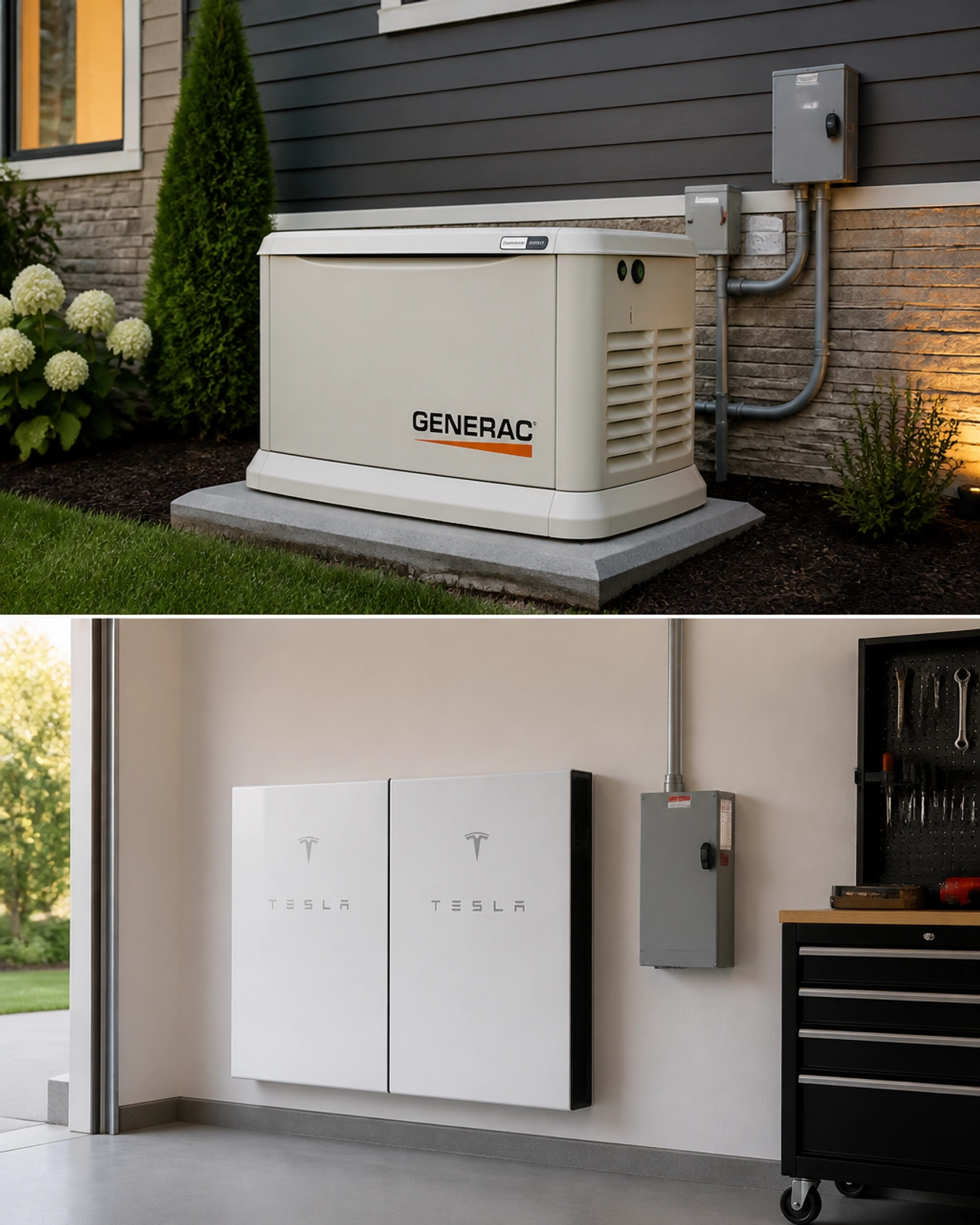
Whole-Home Standby Generators (The Generac Standard)
The “Generac” (or similar standby units) remains the gold standard. These units sit outside like an A/C condenser and kick on automatically when the grid fails.
- Pros: Runs on your home’s natural gas line, powers the A/C, and requires zero setup during a storm.
- Cons: Higher upfront cost (usually $10k–$15k+) and requires professional maintenance.
Solar + Battery Storage
With the rise of solar technology in Texas, many homeowners are opting for Tesla Powerwalls or similar battery systems.
- Pros: Silent, provides power even if the natural gas lines are disrupted, and can help lower your monthly electric bill during “normal” times.
- Cons: High initial investment and limited by how much sun you get immediately following a storm.
If you’re wondering if these upgrades add value to your home, check out our guide on selling for full value: backup power is a massive selling point in the Houston market!
3. The Paperwork Safety Net: Insurance Audit
This is the part everyone skips, and it’s the part that hurts the most when things go wrong. Insurance policies cannot be changed once a storm is named.
The 30-Day Flood Rule
Standard homeowners insurance does not cover flood damage. Most flood insurance policies (through the NFIP) have a 30-day waiting period. If you wait until a storm is in the Gulf, it’s too late. According to the latest 2026 FEMA guidelines, even homes outside of “high-risk” zones are seeing increased flood events.
Review Your Deductibles
Many Houston policies have a separate “Hurricane” or “Named Storm” deductible. This is often 2% to 5% of your home’s insured value, not a flat dollar amount. For a $400,000 home, a 2% deductible means you’re on the hook for the first $8,000 of repairs. Know your numbers now.
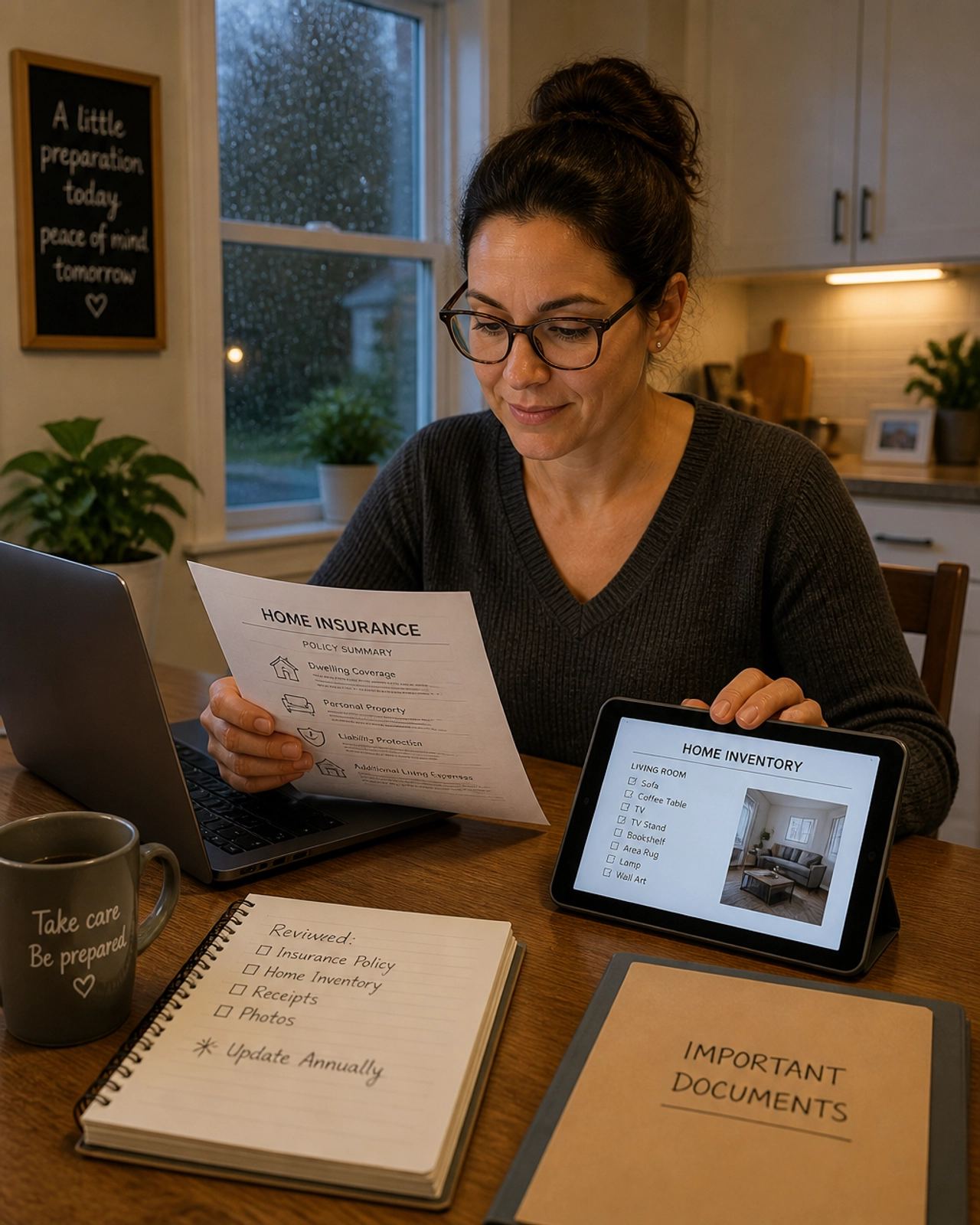
Digital Inventory
Take 15 minutes today to walk through your house with your phone. Record a video of every room, opening every closet and drawer. This “visual proof” is invaluable when filing a claim for contents. Upload it to a cloud service like Google Drive or iCloud so it’s accessible even if your phone is lost or damaged.
4. Exterior Prep: Drainage and Debris
Houston’s “flatness” is our biggest enemy during heavy rains. If the water has nowhere to go, it goes into your living room.
Clear the Path
Ensure that your lawn drains are clear of mulch and debris. If you have “French drains,” test them by running a hose into the intake. If water doesn’t come out at the street, you have a clog that needs to be cleared before the rain starts.
Tree Maintenance
Weak limbs are “missiles” waiting to happen. Have a certified arborist trim back branches that overhang your roof or power lines. In 2026, local ordinances in many Houston suburbs have tightened regarding tree removal, so make sure you’re following local guidelines while keeping your property safe.
Window Protection
If you don’t have impact-rated windows or permanent shutters, have your plywood pre-cut and labeled. Screwing boards into your window frames at 2:00 AM while it’s raining is not a plan: it’s a crisis.
5. The Ultimate 2026 Supply Checklist
The supply chain is much better than it was a few years ago, but “panic buying” still causes shortages. Stock your kit by July 1st.
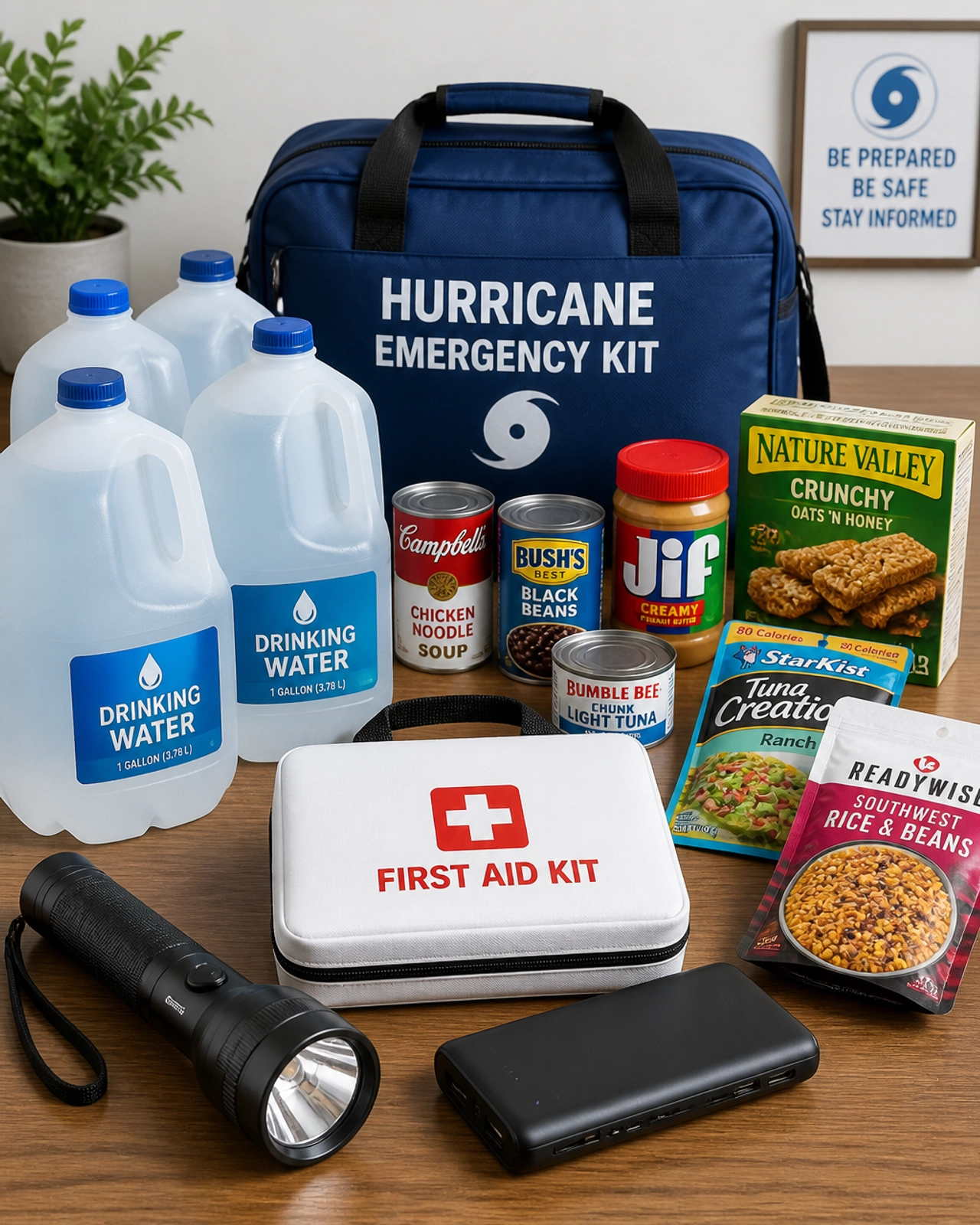
- Water: 1 gallon per person, per day, for at least 7 days.
- Food: Non-perishables that don’t require cooking (protein bars, canned tuna, peanut butter).
- Power: High-capacity portable power banks for your phones.
- First Aid: An updated kit with any prescription medications (at least a two-week supply).
- Cash: ATMs don’t work without power. Keep small bills tucked away.
- Digital Prep: Download the ReadyHarris app for real-time local updates.
Summary: Your 2026 Prep Takeaways
- Inspect the Roof: Fix shingles and clear gutters now.
- Evaluate Power: Decide if a standby generator or solar battery fits your 2026 budget.
- Audit Insurance: Confirm your flood coverage and know your hurricane deductible.
- Clean the Yard: Trim trees and test your drainage systems.
- Stock Up Early: Have 7 days of supplies ready by the end of June.
Preparing your home for hurricane season isn’t just about safety: it’s about smart homeownership. If the current market has you thinking about a move to a home with better elevation or built-in storm features, we can help. Whether you want to move now with ease or are just starting your search, our team knows the Houston landscape better than anyone.
Don’t wait for the clouds to turn grey. Call Bexley Realty Group today at 832-648-2492 or visit BexleyRealtyGroup.comto discuss how we can help you protect your real estate investments this season.
#HoustonRealEstate #HurricanePrep2026 #BexleyRealtyGroup #HoustonHomeowners #StormSafety