
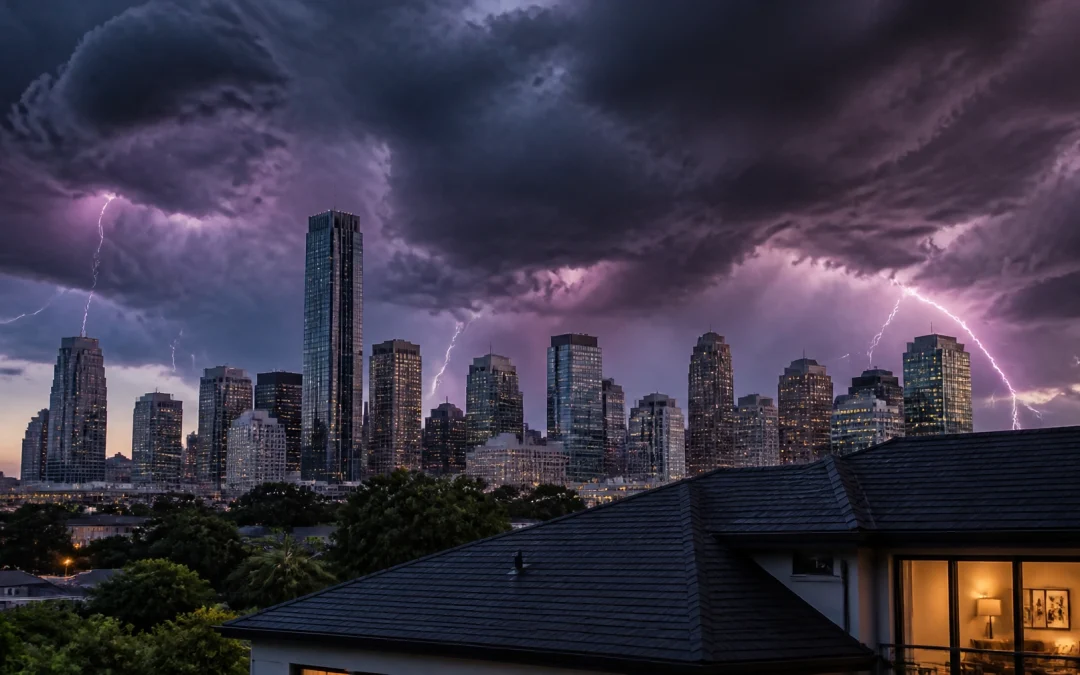
7 Mistakes You’re Making with Mid-Season Hurricane Prep
It’s July in Houston. The humidity is thick, the grill is hot, and if you’re like most of us, you’ve probably pushed “hurricane prep” to the back of your mind. We’ve had a relatively quiet start to the 2026 season, but don’t let the calm fool you. While NOAA and Colorado State University are forecasting a near-normal season due to a strengthening El Niño, the Gulf of Mexico is currently sitting at record-high temperatures.
In Houston, we know it only takes one storm. Whether it’s a direct hit or a lingering tropical depression that dumps 40 inches of rain on our bayous, being “mostly ready” isn’t enough.
As we move into the peak months of August and September, we’re seeing homeowners across Katy, Sugar Land, and the Inner Loop make the same critical errors. Here are the 7 biggest mistakes you’re likely making with your mid-season hurricane prep, and exactly how to fix them before the next “H” name enters the Gulf.
1. The “Wait and See” Strategy
The biggest mistake Houstonians make is waiting for a storm to enter the Gulf of Mexico before acting. By the time a “Watch” or “Warning” is issued, the stores are already chaotic. Plywood sells out in hours, gas lines wrap around the block, and finding a contractor to fix that loose shingle is impossible.
In 2026, supply chains are better than they were a few years ago, but local demand still spikes instantly. Waiting until a storm is 48 hours out means you’re paying a premium for materials and risking your safety in the heat.
The Fix: Knock out your high-effort tasks now. Clean your gutters, test your flashlights, and top off your propane tanks this weekend while the weather is clear. If you’ve been meaning to look into new construction options that include built-in storm shutters, now is the time to start those conversations, not when the clouds are grey.
2. Ignoring Flood Risk Because You “Didn’t Flood in Harvey”
“My street has never flooded” is the most dangerous sentence in Houston real estate. Since 2017, Houston’s landscape has changed significantly. New developments, aging infrastructure, and shifting rainfall patterns mean that the “100-year floodplain” isn’t the safety net it used to be.
We’ve seen homes in areas that were historically “safe” take on water during simple summer thunderstorms. If you’re relying on old maps, you’re flying blind.
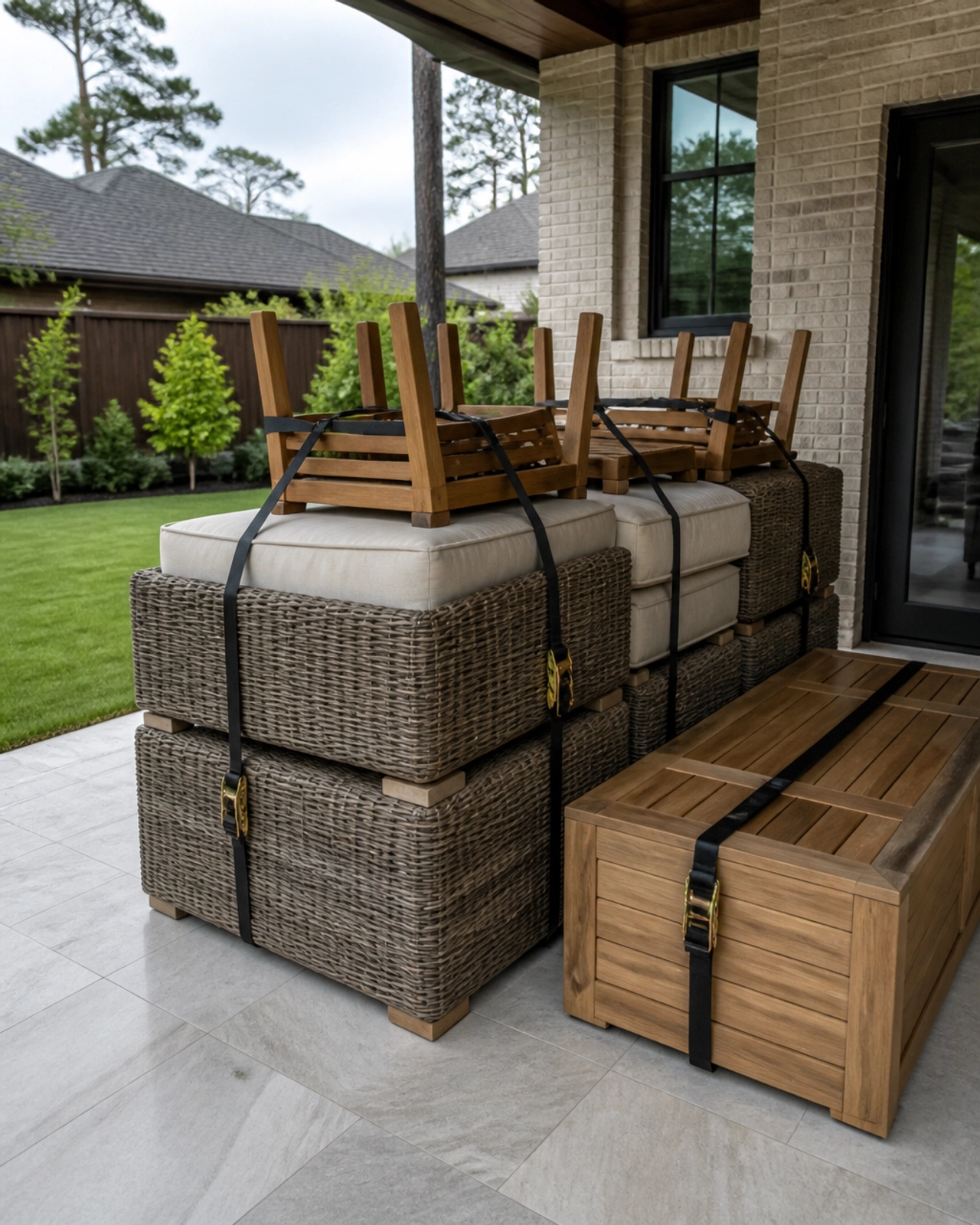
The Fix: Check the updated 2026 FEMA flood maps. We’ve covered this in detail in our guide on 10 things you should know about the new FEMA flood maps. Even if you aren’t in a high-risk zone, a preferred-risk flood insurance policy is one of the smartest investments you can make for your Houston home. Remember: typical homeowners insurance does not cover rising water.
3. Assuming Your Yard Items Are “Heavy Enough”
That heavy wrought-iron patio set or the trampoline in the backyard feels permanent, until 80 mph gusts turn them into projectiles. We’ve seen mid-category storms shatter sliding glass doors because a neighbor’s “heavy” decorative planter became a wrecking ball.
In the suburbs like Cypress or Fulshear, where the wind has more room to pick up speed across open fields, this mistake is even more common.
The Fix: If it’s not bolted down, it’s a threat. Practice a “dry run” of clearing your yard. Know exactly where your patio furniture will go (the garage or the bottom of the pool, yes, the pool trick still works for heavy furniture). Check your trees for dead limbs; a dead branch over your roof is a disaster waiting to happen.
4. The Last-Minute Generator Gamble
Having a generator is great; knowing how to use it safely is better. Every year, we hear tragic stories of carbon monoxide poisoning because someone ran a generator in their garage or too close to a window. Additionally, many homeowners realize too late that their portable unit can’t actually power their AC or refrigerator without the right transfer switch.
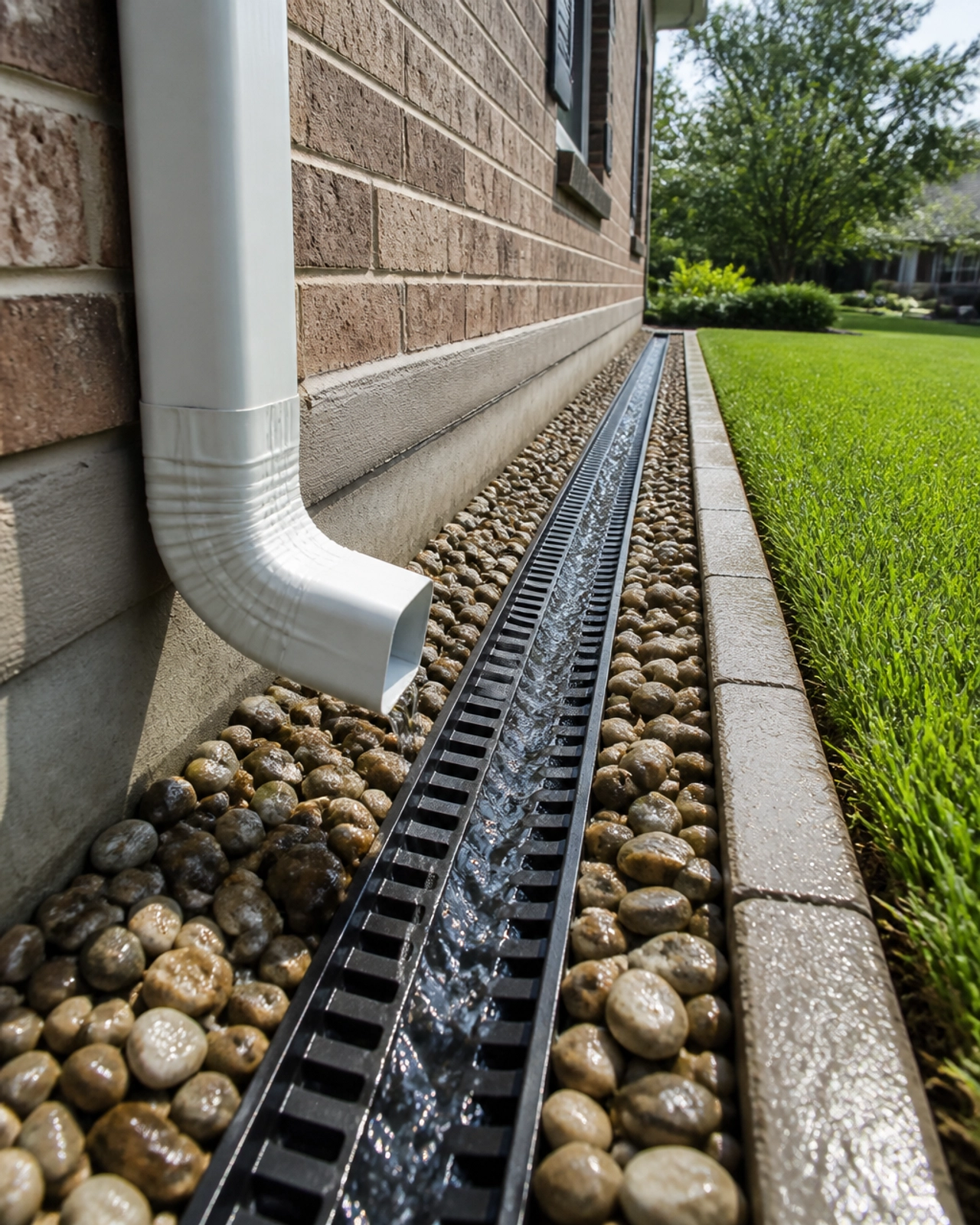
The Fix: If you have a generator, pull it out today. Change the oil, check the spark plugs, and run it for 20 minutes. If you want a whole-home solution, contact an electrician now. If you’re looking for a home that already has these features, we can help you find listings with backup power systems already installed.
5. Under-stocking Your Emergency Kit (The “3-Day” Myth)
Most people prep for a 72-hour outage. In Houston, a major storm can knock out power for a week or more. If the supply chain is disrupted, grocery stores may not be restocked for days. In 2026, we also have to consider digital connectivity; if the towers are down, your “smart home” becomes a lot less helpful.
The Fix: Build a 10-day kit. This should include one gallon of water per person per day, non-perishable food that doesn’t require cooking, and a 30-day supply of all medications.
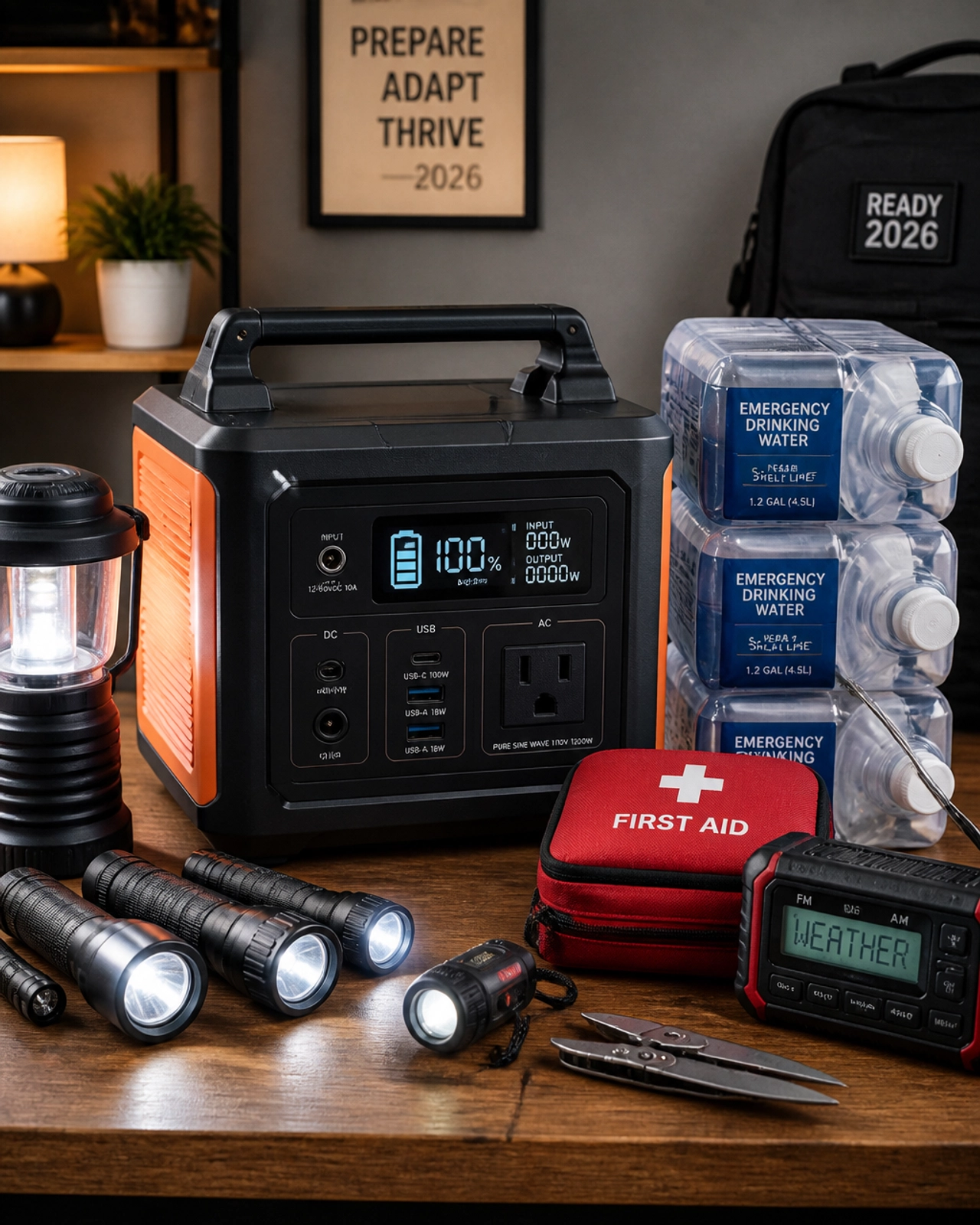
Don’t forget:
- Physical cash (small bills) for when credit card systems are down.
- Portable power banks for your phones.
- A physical map of Houston (you can’t rely on GPS if the data networks are jammed).
6. Forgetting the “Digital” Side of Prep
You have your plywood and your water, but where are your house keys? Where is your insurance policy number? If you have to evacuate quickly, searching for a paper folder in a dark house is a recipe for panic.
Many Houstonians also fail to document their home’s condition before the storm, making insurance claims a nightmare of “he-said, she-said” regarding pre-existing damage.
The Fix: Take 15 minutes today to walk through your house with your phone. Record a video of every room, opening closets and drawers. Upload this to the cloud immediately. Also, keep digital copies of your ID, deed, and insurance policies in a password-protected folder like Dropbox or Google Drive.
7. Not Understanding Your Policy Deductible
This is the “gotcha” mistake. Many Houston homeowners don’t realize their “Hurricane Deductible” is different from their “Standard Deductible.” While your standard deductible might be $1,000, your wind/hail or hurricane deductible is often a percentage of your home’s value (usually 2% to 5%). On a $400,000 home, a 3% deductible means you’re on the hook for the first $12,000 of repairs.

The Fix: Read your policy today. With the new 2026 transparency laws, your agent is required to be clearer about these costs, but you still have to look. We’ve broken down the latest industry changes in our post on Houston home insurance secrets revealed.
Summary: Your Mid-Season Checklist
Don’t let the mid-summer heat lull you into a false sense of security. Preparing now means you can relax later when the sirens go off.
- Audit your yard: Tie down or store anything that can fly.
- Update your maps: Check the new 2026 flood zones.
- Go digital: Video your home and save your docs to the cloud.
- Check the math: Know exactly what your hurricane deductible will cost you.
- Plan the exit: Have two evacuation routes and a destination ready.
Whether you’re looking for a more “storm-proof” home or just need advice on how your local neighborhood’s drainage is holding up, the team at Bexley Realty Group is here for you. We live here, we work here, and we’ve navigated these seasons right alongside you.
Ready to find a home that fits your lifestyle and your safety needs? Give us a call at 832-648-2492 or visit us at BexleyRealtyGroup.com.
#HoustonRealEstate #HurricanePrep #HoustonStrong #HomeSafety #BexleyRealtyGroup #GulfCoastLiving