

Most homeowners don’t wake up one morning and decide to put their house on the market that afternoon.
Selling usually starts as a thought.
“Maybe next year.”
“Once the kids finish school.”
“After we retire.”
“When we find something smaller.”
“We might relocate.”
If selling your Houston-area home is even a possibility within the next 6–12 months, there are several things you can do now that can make the eventual process easier—and potentially prevent expensive last-minute decisions.
1. Find Out What Your Home Could Actually Sell For
Don’t build your next move around an online estimate.
Before deciding whether you’re ready to sell, you need a realistic understanding of your home’s potential market position.
That means looking at recent comparable sales, competing properties, your home’s condition, location, lot, updates and features.
There’s an important difference between:
“My house might be worth $600,000.”
and
“Here’s what the current market suggests.”
Knowing that number helps everything else become clearer.

2. Know What You Still Owe
Your home’s selling price isn’t the amount you’ll walk away with.
Start with your approximate mortgage payoff and then consider potential transaction expenses.
This gives you a better estimate of the proceeds that could potentially be available for your next move.
If you’re planning to purchase another home, this number becomes especially important.
3. Stop Renovating Without a Strategy
This is where homeowners can waste serious money.
If you’re thinking about selling, don’t automatically replace the countertops, remodel the bathroom or install new flooring because you assume buyers expect it.
They may not.
Before making a major improvement, ask:
Will this help the home sell—or am I improving it for the next owner without getting enough of that money back?
Some homes need updating.
Others simply need cleaning, repairs, paint and better presentation.

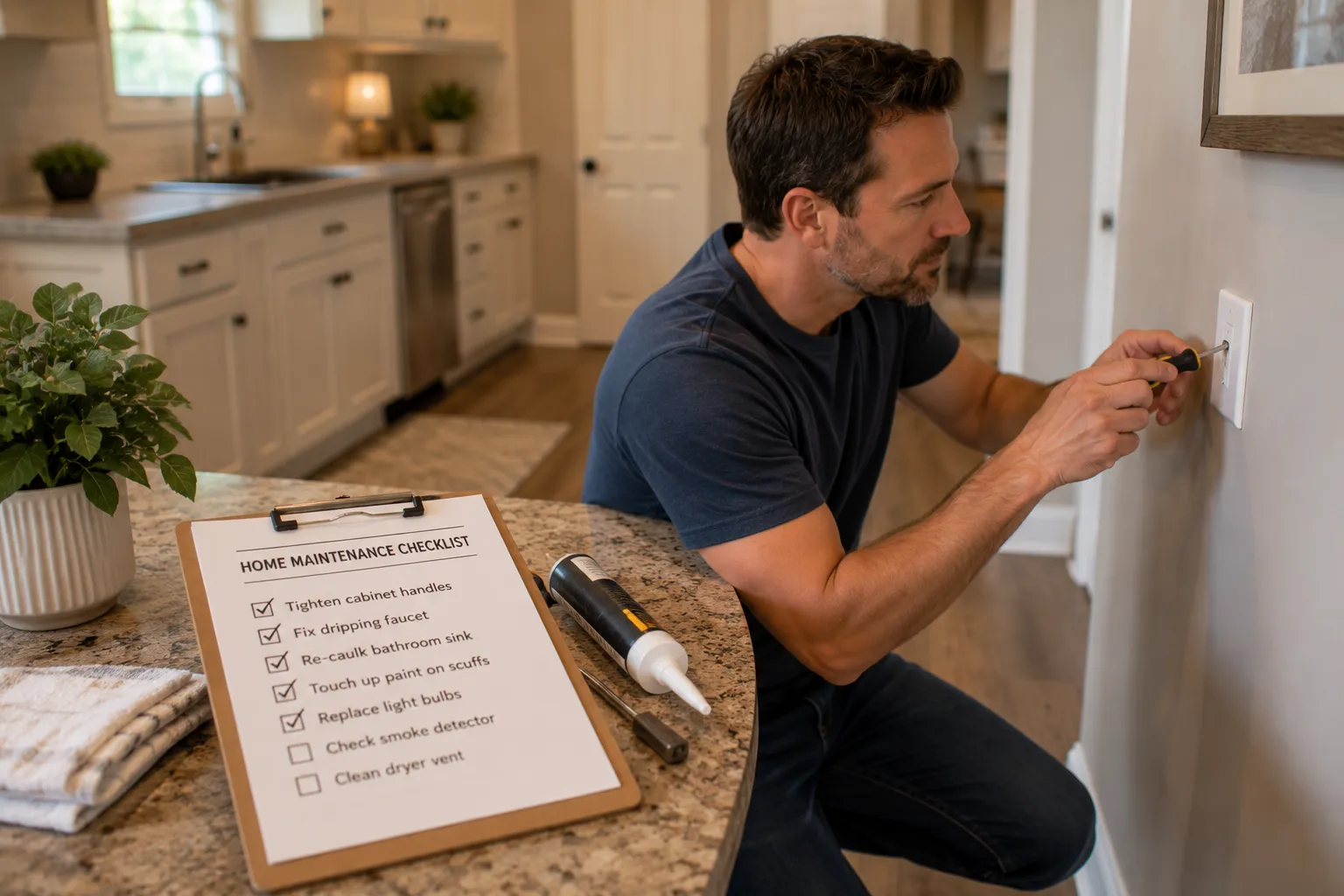
4. Start Tackling the Little Repairs
Every home develops a list.
The dripping faucet.
Loose cabinet handle.
Scuffed wall.
Cracked caulk.
Door that doesn’t close quite right.
Light fixture you’ve been meaning to replace.
One small issue isn’t usually a big deal.
Ten of them can make a home feel poorly maintained.
Taking care of these items gradually is much easier than facing a long repair list two weeks before listing.
5. Start Decluttering Before You Think You Need To
If you haven’t used something in years, do you really want to pay someone to move it?
Preparing to sell is a perfect excuse to start simplifying.
Closets.
Garage.
Kitchen cabinets.
Attic.
Storage rooms.
You don’t need to strip your home bare.
The goal is to make spaces feel organized, functional and appropriately sized.
And when moving day arrives, you’ll already have done part of the work.
6. Gather Your Home’s Information
Buyers are going to have questions.
When was the roof replaced?
How old are the HVAC systems?
Was the kitchen remodeled?
Is there a transferable warranty?
When was the water heater installed?
Do you have receipts for major improvements?
Start gathering invoices, warranties, surveys and documentation now.
You may be surprised how difficult some of this information becomes to find later.

7. Think About Where You’re Going Next
Selling isn’t really one decision.
It’s usually two:
Where am I leaving?
and
Where am I going?
If you’re selling and buying another property, the two transactions need to work together.
Start considering your next home’s location, price range, monthly costs and must-have features before your current home hits the market.
You don’t necessarily need to start touring homes yet.
You should, however, understand your options.

8. Don’t Try to Time the “Perfect” Market
Homeowners sometimes postpone their plans waiting for the perfect combination of home prices, inventory and mortgage rates.
That perfect market may never arrive.
Instead, look at your complete situation.
What could your current home sell for?
What would you likely net?
What will the next property cost?
What will your new monthly payment look like?
And most importantly:
Does moving make sense for your life?
Real estate decisions shouldn’t be based on one headline or one interest rate.
9. Build the Selling Strategy Before You Need It
Pricing shouldn’t begin the night before your listing goes live.
Neither should marketing.
A strong selling strategy considers your competition, likely buyer, property’s strengths, preparation needs, photography, digital marketing and launch timing.
The more work that’s done before the listing hits the market, the more intentional the launch can be.
Six Months Early Isn’t Too Early
You don’t need to know exactly when you’re moving.
And meeting with a real estate professional doesn’t mean you have to put your home on the market.
Sometimes the smartest conversation happens months before you’re ready.
It gives you time to make decisions without pressure.
And that’s particularly valuable when those decisions involve one of your largest financial assets.
Considering Selling in the Next 6–12 Months?
Start with a plan—not a For Sale sign.
At Bexley Realty Group, we can help you understand your home’s current market position, identify what should and shouldn’t be done before selling, and build a timeline around your next move.
You don’t have to be ready to list. You just need to be ready to plan.
Bexley Realty Group
Building Visions, Creating Reality