

It’s one of the most common questions homeowners ask.
“The house down the street sold for $625,000. Why wouldn’t mine?”
At first glance, the comparison may seem obvious.
Same neighborhood.
Similar square footage.
Same number of bedrooms.
Built around the same time.
Maybe even the same builder and floor plan.
But real estate values aren’t determined by one or two similarities.
Sometimes the differences buyers care about aren’t obvious until you look much closer.
1. Location Within the Neighborhood Matters
Two houses can be separated by only a few streets and still have meaningful differences.
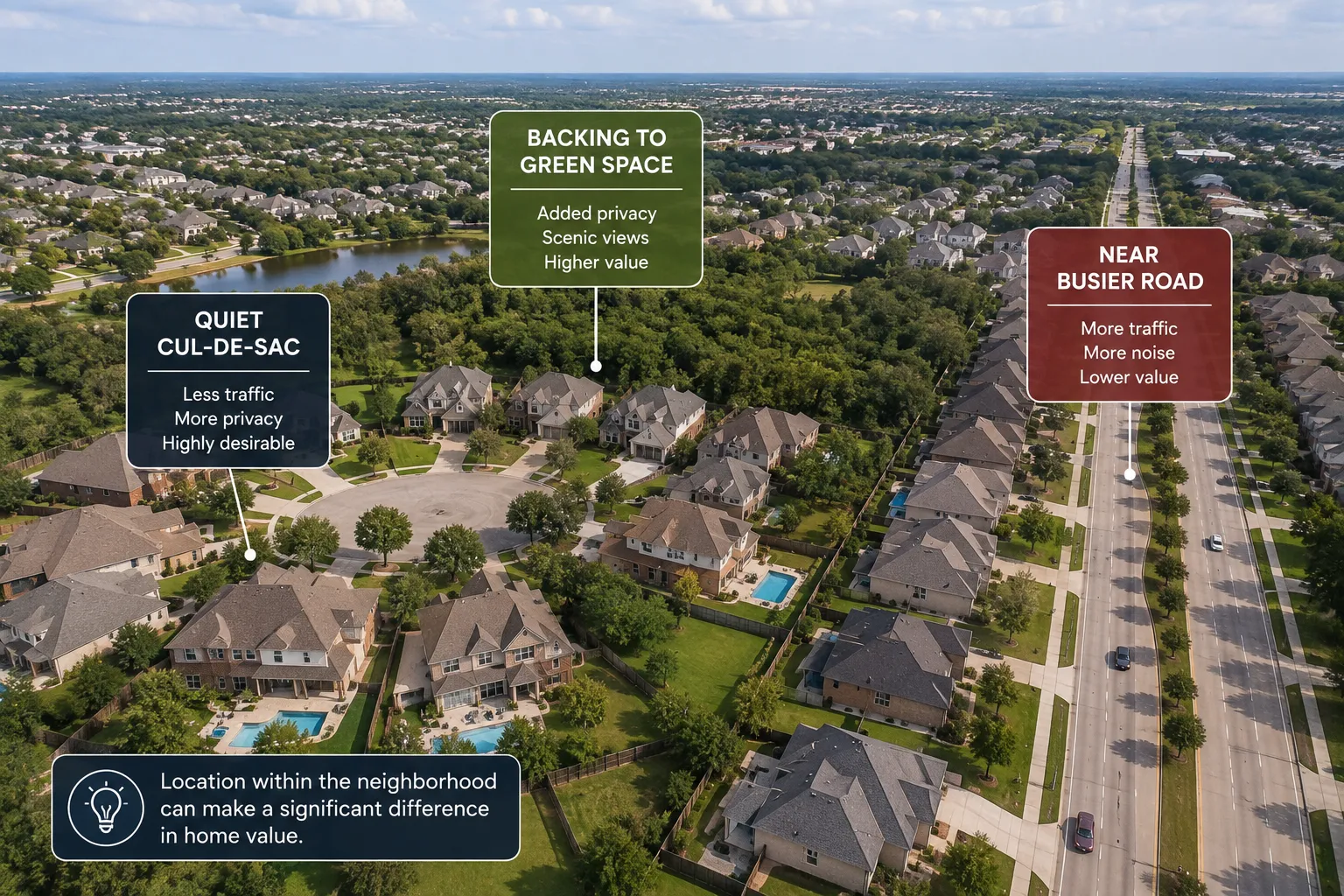
One may back to green space.
Another may back to a busy road.
One might sit on a quiet cul-de-sac.
Another could be near the neighborhood entrance with more traffic.
Water views, oversized lots, corner locations and proximity to neighborhood amenities can also influence buyer demand.
The subdivision may be the same.
The location within it isn’t.
2. Lot Differences Can Be Significant
Square footage gets a lot of attention, but don’t overlook the land underneath the house.
Buyers may pay more for:
Larger lots.
More privacy.
Better backyard orientation.
Cul-de-sac lots.
No rear neighbors.
Mature trees.
Room for a pool.
A house with a particularly desirable lot may command a premium over an otherwise similar property.
3. Condition Changes the Buyer’s Math
Imagine two homes listed for similar prices.
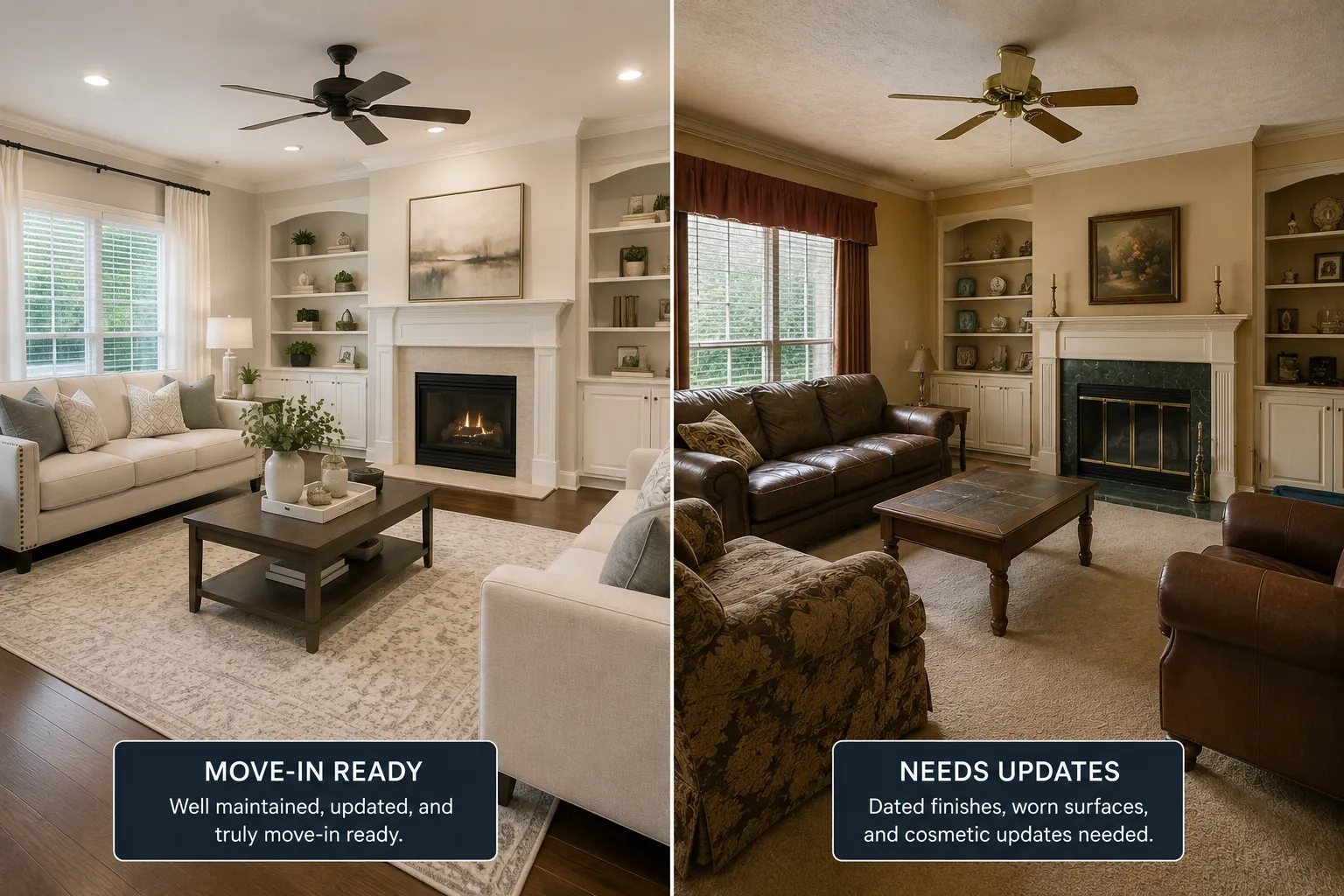
One is move-in ready.
The other needs flooring, paint, appliances and several repairs.
Buyers don’t simply see the cost of those improvements.
They see the inconvenience.
That can influence what they’re willing to offer.
On the other hand, sellers should be careful not to assume every dollar spent renovating automatically adds a dollar—or more—to the home’s value.
4. The Floor Plan Can Matter More Than Square Footage
Consider two 3,500-square-foot houses.
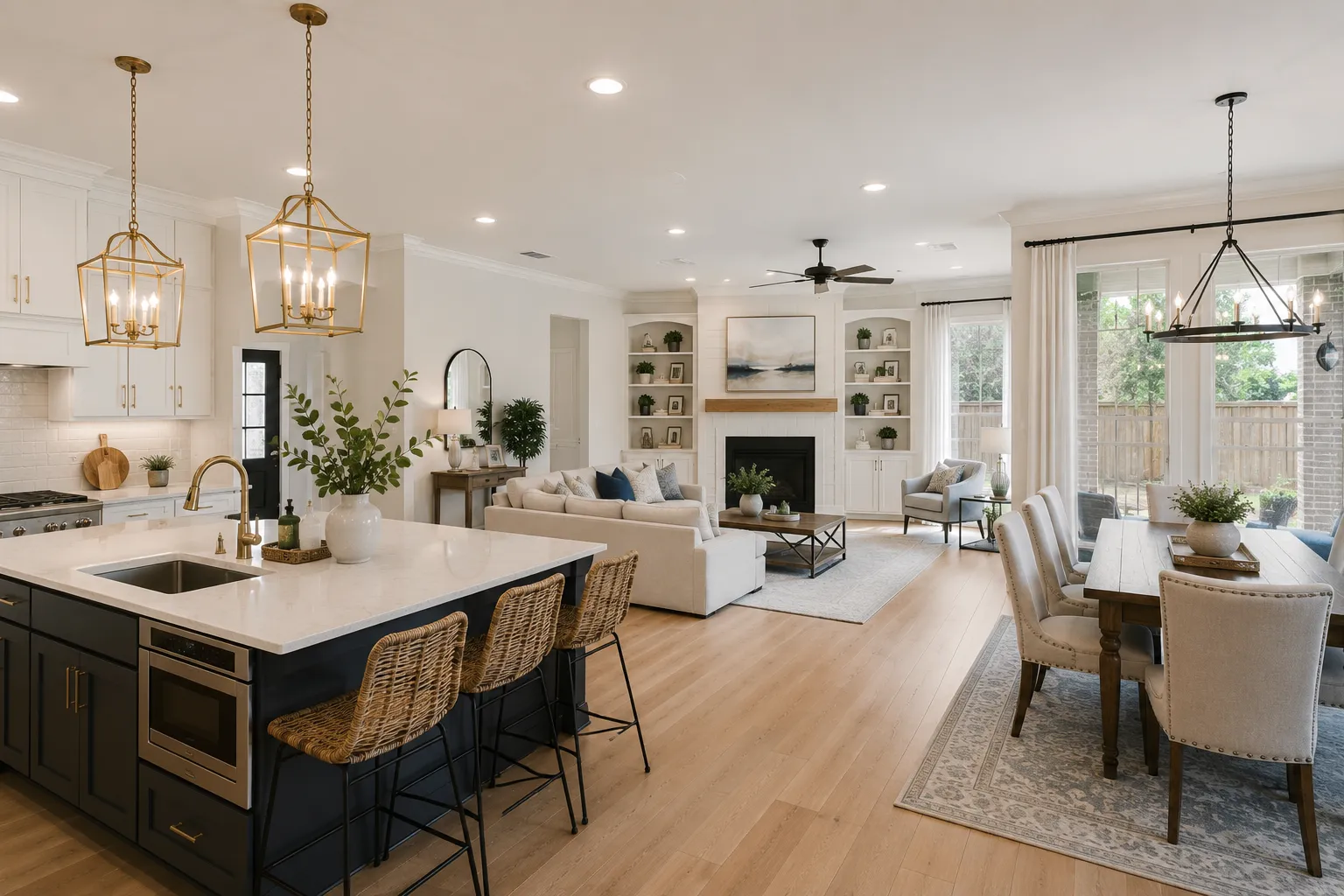
One has an open kitchen and living area, a downstairs primary suite, useful home office and generous storage.
The other has the same square footage but several spaces today’s buyers may find less functional.
Same size.
Very different experience.
Usable square footage can matter more than total square footage.
5. Some Upgrades Matter More Than Others
Not all improvements are valued equally by the market.
A homeowner may have spent thousands on highly personalized upgrades that the next buyer doesn’t particularly value.
Meanwhile, another property may have improvements buyers immediately recognize:
Updated kitchen.
Newer roof.
Updated HVAC.
Energy-efficient windows.
Improved outdoor living.
Modernized bathrooms.
The important question isn’t simply:
“How much did the seller spend?”
It’s:
“How much does the market value what they changed?”
6. Outdoor Living Can Change the Comparison
In Houston, the backyard can become a major differentiator.
Imagine two nearly identical homes.
One has a basic uncovered patio.
The other has a pool, covered outdoor living area, mature landscaping and privacy.
They’re technically comparable homes.
But buyers may experience them very differently.

7. Timing Can Change Everything
This is one homeowners often overlook.
A comparable sale from six months ago happened in the market conditions that existed six months ago.
Inventory may have changed.
Mortgage rates may have moved.
Buyer demand may be different.
More competing homes may now be available.
That’s why simply finding the highest recent sale in the neighborhood doesn’t automatically establish today’s value.
8. Competition Matters
Your home doesn’t enter the market alone.
Buyers compare it against everything else available within their search criteria.
Suppose you’re asking $650,000.
If buyers can choose between your property and five similar homes ranging from $600,000 to $625,000, you need a compelling reason for them to pay more.
That’s where pricing becomes strategy rather than guesswork.

9. Presentation Can Influence the Final Result
Two comparable homes can enter the market differently.
One launches with professional photography, thoughtful preparation, strong digital marketing and compelling positioning.
Another has dark photos, cluttered rooms and minimal marketing.
The underlying properties might be similar.
Their presentation isn’t.
Strong marketing doesn’t magically create value that isn’t there.
But poor marketing can absolutely make it harder for buyers to recognize the value that is there.
10. The List Price Isn’t the Market Value
This distinction is important.
A neighbor can list their house for $700,000.
That doesn’t mean it’s worth $700,000.
What did it actually sell for?
Were there seller concessions?
How long was it on the market?
Did the price change?
Was it renovated?
Did it have a superior lot?
The final transaction usually tells a much more useful story than the original asking price.
Your Neighbor’s Sale Is a Clue—Not the Answer
Comparable sales are extremely important.
But good pricing isn’t simply:
Their house sold for $X, so mine is worth $X.
The better analysis asks why that property sold for that amount and how your home compares.
That’s where local market knowledge becomes valuable.
Wondering What Your Houston-Area Home Is Really Worth?
At Bexley Realty Group, we don’t believe your home’s value should be determined by plugging an address into an algorithm.
We look at the property, recent sales, current competition, condition, upgrades, lot, location and the factors today’s buyers are actually responding to.
Because when you’re making a decision involving one of your largest assets, the details matter.
Bexley Realty Group
Building Visions, Creating Reality