

The Ultimate Guide to Buyer Leverage: How to Use Rising Inventory to Your Advantage
For a long time, the real estate market felt like a one-way street. Sellers held all the cards, buyers were waving inspection contingencies just to be seen, and “leverage” was a word people only used in textbooks. But as we move through April 2026, the landscape has shifted. In Houston and across many surrounding markets, we are seeing a significant rise in inventory: approaching that healthy 5-to-6-month supply mark.
This isn’t just a change in statistics; it’s a change in power dynamics. At Bexley Realty Group, we’re seeing buyers transition from a state of “just let me win” to a position of “let’s make a deal that actually makes sense.” If you’ve been sitting on the sidelines waiting for the frenzy to cool, your moment has arrived.
Here is how you can use this rising inventory to your advantage and master the negotiation game in today’s market.
Understanding the Shift: From Scarcity to Selection
In a low-inventory market, buyers are driven by the “Fear Of Missing Out” (FOMO). When there are only three houses in your price range and ten buyers for each, you don’t negotiate: you survive. However, as inventory rises, the psychological weight shifts. Sellers are no longer looking at a stack of twenty offers; they might be looking at one or two, or perhaps they’ve been waiting weeks for any offer at all.
This shift gives you optionality. Optionality is the ultimate form of leverage. When you know there are four other houses that meet your criteria within a five-mile radius, you can walk away from a bad deal. Sellers know this too, which makes them much more willing to come to the table.

The “Days on Market” (DOM) Weapon
One of the most powerful pieces of data in your arsenal is the “Days on Market” (DOM) counter. In a hot market, a house is “old” after four days. In our current 2026 market, “old” has a different definition.
When a home has been sitting for 30, 45, or 60 days, the seller starts to feel the pressure of the carrying costs: mortgage payments, taxes, insurance, and maintenance. More importantly, they start to worry that something is “wrong” with their listing.
How to use it:
- Target the “Stale” Listings: Use our search for homes tool to filter for properties that have been active for more than 30 days. These sellers are often the most motivated to negotiate.
- The Low-Ball Strategy (With Data): If a home has high DOM, you have the leverage to offer below the asking price. However, don’t just throw out a random number. Back it up with recent comparable sales to show the seller that the market has spoken and their price needs to adjust.
Negotiating Beyond the Sale Price
Many first-time buyers focus solely on the sticker price, but in a balanced or buyer-favored market, the “terms” are often where the real money is saved. With inventory rising, you can get creative with your requests.
1. Closing Cost Credits
Cash is king, especially when you’re trying to preserve your savings for new furniture or home improvements. You can negotiate for the seller to pay a portion (or all) of your closing costs. This effectively reduces the amount of “cash to close” you need to bring to the table.
2. The 2-1 Interest Rate Buydown
With 2026’s “new normal” mortgage rates, affordability is still a top concern. Instead of asking for a $10,000 price reduction, ask the seller for a $10,000 credit to buy down your interest rate. This can lower your monthly payment significantly for the first two years, giving you more breathing room as you settle into your new home. You can explore more about these options on our mortgage page.

The Return of the Inspection Contingency
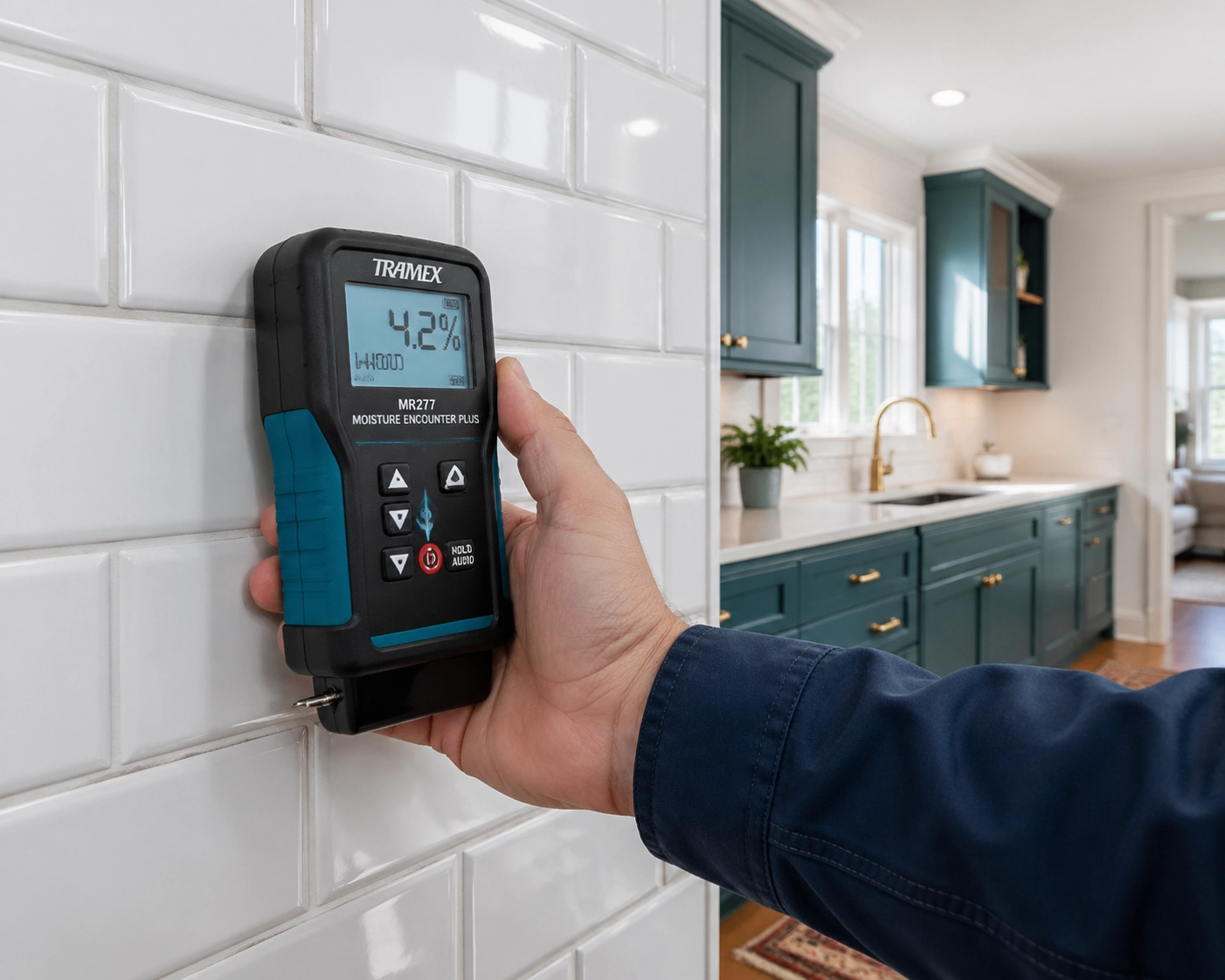
During the peak of the housing craze, many buyers were forced to buy homes “as-is” to remain competitive. Those days are largely behind us. With more homes to choose from, you should never feel pressured to ignore the condition of a property.
Requesting Repairs vs. Repair Credits
If the inspection reveals a roof reaching the end of its life or an aging HVAC system, you now have the leverage to ask the seller to address it. In a high-inventory market, a seller knows that if they lose you over a $5,000 repair, the next buyer will likely find the same issue and ask for the same fix: except the seller will have even more “Days on Market” by then.
Pro Tip: If you’re in a hurry to close, ask for a repair credit rather than asking the seller to do the work. This allows you to choose your own contractors and ensures the job is done to your standards after you move in.
Using “Subject to Sale” to Your Advantage
If you currently own a home and need to sell it to buy the next one, you’re in a much better position than you were two years ago. Sellers are becoming more open to “contingent offers.”
While a cash offer or a non-contingent offer will always be stronger, a seller who hasn’t had a showing in two weeks is much more likely to accept an offer that is contingent on the sale of your current home. If you’re worried about the logistics of moving, check out our home-buying guide for strategies on how to transition smoothly.
Strategic Offer Presentation
Leverage isn’t just about what you ask for; it’s about how you ask for it. Even in a buyer’s market, being professional and reasonable goes a long way.
- Be Decisive but Patient: Show the seller you are a serious, qualified buyer, but don’t act desperate.
- The “Take-It-or-Leave-It” Window: When you make an offer on a home that has been sitting, give them a shorter expiration time (e.g., 24 hours). This forces the seller to make a decision rather than waiting to see if your offer sparks interest from other “lurking” buyers.
- Keep it Professional: At Bexley Realty Group, we pride ourselves on maintaining a professional relationship with listing agents. Sometimes, the “leverage” comes from the seller’s agent telling their client, “This buyer is working with a solid team, and this deal will actually close.”
Don’t Forget the Rental Market
In 2026, we’ve seen a surge in rental inventory as well. If a seller is struggling to move their property, they might be considering turning it into a rental. You can use this knowledge in your negotiations. If a seller is on the fence about your offer, remind them of the headaches of property management versus the clean break of a sale.
If you aren’t quite ready to buy but want to lock in a home now, our rent-to-own program might be the perfect middle ground to use the current inventory to your advantage without the immediate pressure of a 30-year mortgage.
Summary: Your Buyer Action Plan
Rising inventory is the “green light” many of you have been waiting for. To win the negotiation game, keep these takeaways in mind:
- Watch the Clock: Use Days on Market as your primary negotiation tool.
- Ask for Credits: Prioritize closing cost credits and rate buydowns over small price cuts.
- Inspect Thoroughly: Never skip an inspection; use the results to renegotiate the deal.
- Embrace Your Options: If a seller won’t budge, move on to the next listing. There are more out there than there have been in years.
The market has found its balance, and it’s a great time to be a buyer in Houston. If you’re ready to see what’s available or want a professional evaluation of a property you’ve been eyeing, we’re here to help you navigate these waters.
Ready to find your leverage?Visit us at BexleyRealtyGroup.com to start your search, or give us a call at 832-648-2492 to speak with one of our local experts. Let’s get you into a home on your terms.
#HoustonRealEstate #BuyerLeverage #HomeBuyingTips #RealEstate2026 #BexleyRealtyGroup #HoustonHomes #NegotiationStrategy