

When a home has been on the market without the activity or offers you expected, the first reaction is often:
“Do we need to lower the price?”
Sometimes the answer is yes.
But price isn’t always the only problem.
Before making a change, sellers should understand why buyers aren’t responding. A strategic adjustment can be much more effective than simply reducing the asking price and hoping something happens.
1. Are Buyers Actually Seeing the Home?
Start with the basics.
Are buyers finding the listing online? Are they clicking on it? Are showings being scheduled?
If buyers are viewing the listing online but aren’t scheduling appointments, the issue could be pricing, photography, presentation or how the property compares with competing homes.
If buyers are touring the property but aren’t making offers, that’s a different signal.
The numbers can help tell the story.

2. What Are Buyers Choosing Instead?
Your home’s biggest competition isn’t necessarily the house next door.
It’s every property a buyer considers a reasonable alternative.
A buyer shopping around $500,000 might compare your home with properties several miles away, a different neighborhood—or even new construction.
Sellers need to know:
“If buyers aren’t choosing us, what are they choosing?”
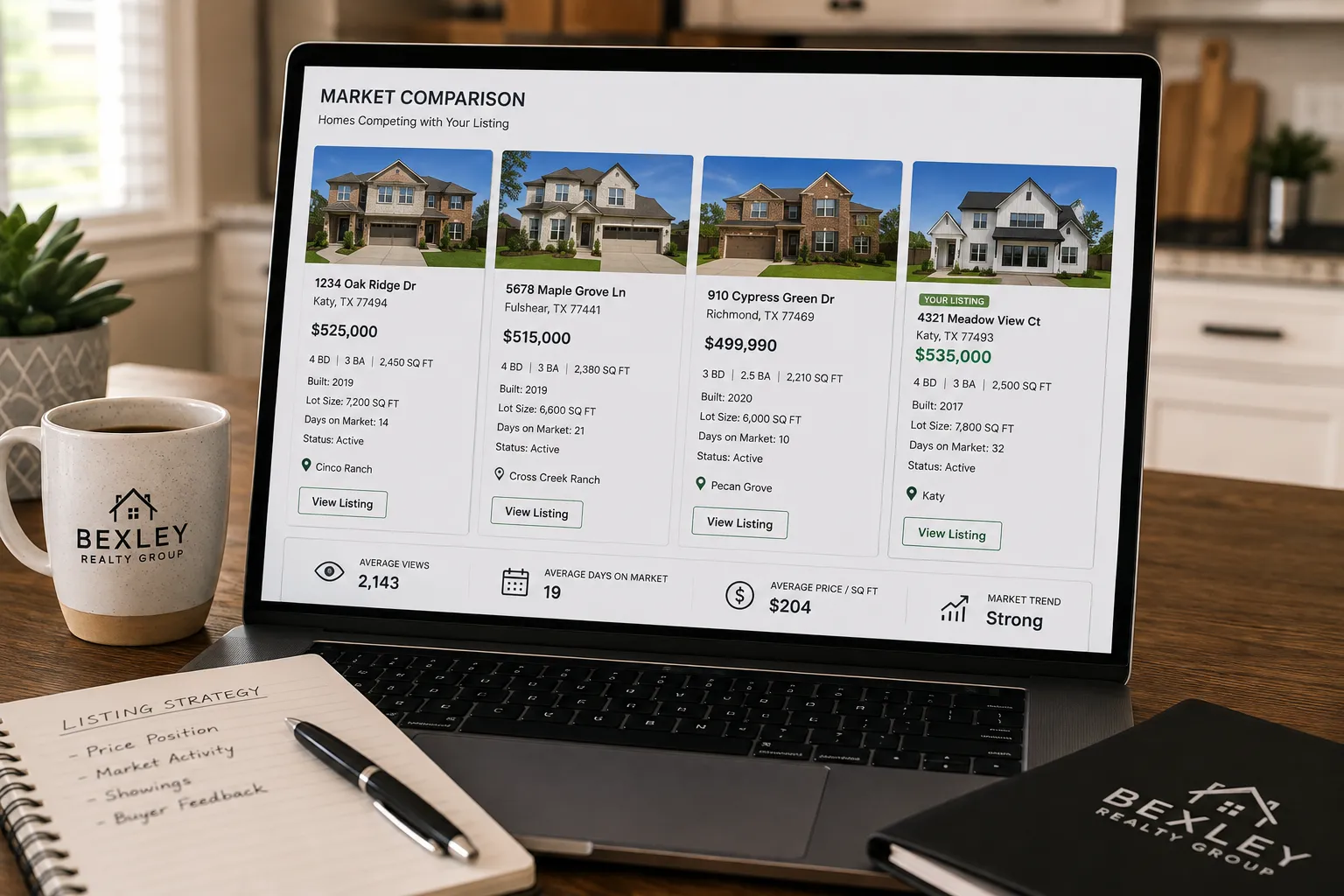
3. Has the Competition Changed?
The market doesn’t stand still after you list.
New homes come onto the market.
Other sellers reduce their prices.
Builders introduce incentives.
Competing homes go under contract.
That means the pricing strategy that made sense when you listed may need to be reevaluated several weeks later.
4. What Are Showings Telling You?
Buyer feedback isn’t always perfect, but patterns matter.
One buyer saying the kitchen is dated may mean very little.
Eight buyers saying it?
That’s information.
Repeated comments about condition, layout, backyard, road noise or price should be evaluated carefully.
The market is communicating with you—even when buyers don’t submit an offer.

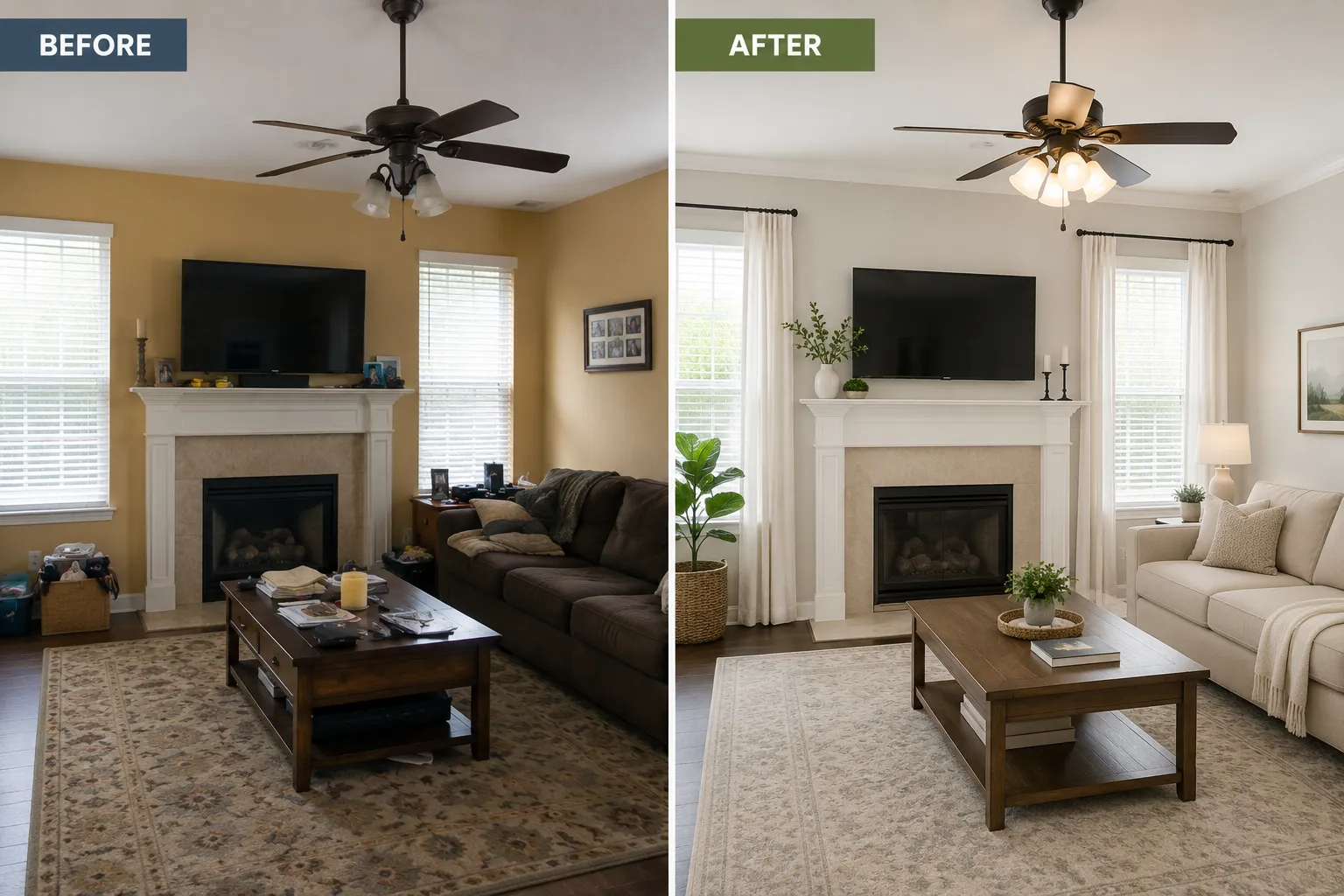
5. Would a Small Improvement Change the Buyer’s Perception?
Not every slow-moving listing needs a renovation.
Sometimes the solution is much simpler:
Fresh paint.
Better lighting.
Decluttering.
Landscaping.
Minor repairs.
Furniture repositioning.
Updated photography.
The question isn’t whether an improvement makes the house nicer.
It’s whether it will change how buyers perceive the home’s value.
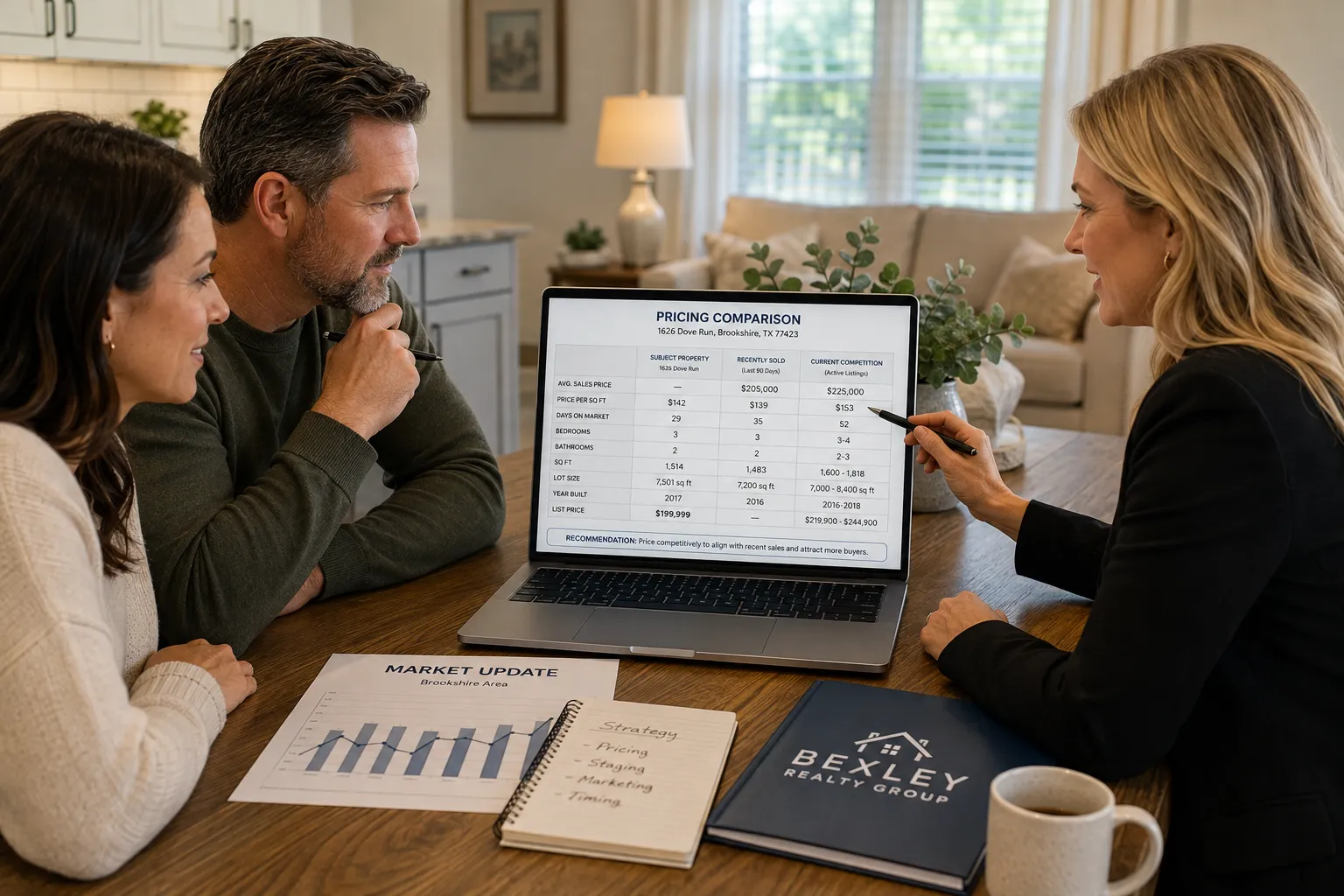
6. Is the Price Preventing Buyers From Considering the Home?
Eventually, you have to address the number.
If comparable properties are selling and yours isn’t, price may be part of the problem.
And when a price adjustment is necessary, making a meaningful strategic move can be more effective than repeatedly reducing the price by small amounts.
A reduction should have a purpose:
Reach a new group of buyers.
Improve your position against competing properties.
Move into a different online search bracket.
Or correct a price the market has already rejected.
Don’t Chase the Market Down
One of the biggest risks sellers face is reacting too slowly.
If the market indicates that something isn’t working, waiting another month doesn’t necessarily solve the problem.
Meanwhile, new competition can arrive and your days on market continue increasing.
The objective isn’t to have the highest asking price.
It’s to achieve the strongest possible outcome from the sale.
That requires knowing when to hold your position—and when the market is telling you to adjust it.
Your Listing Needs a Strategy After Launch Day, Too
At Bexley Realty Group, putting a property on the market is only the beginning.
We evaluate buyer activity, showing feedback, competing inventory and market changes throughout the listing period so sellers can make informed decisions instead of simply guessing what to do next.
If your home isn’t selling, don’t immediately ask, “How much should we lower the price?”
Start by asking:
“Why isn’t the market responding?”
Bexley Realty Group
Building Visions, Creating Reality